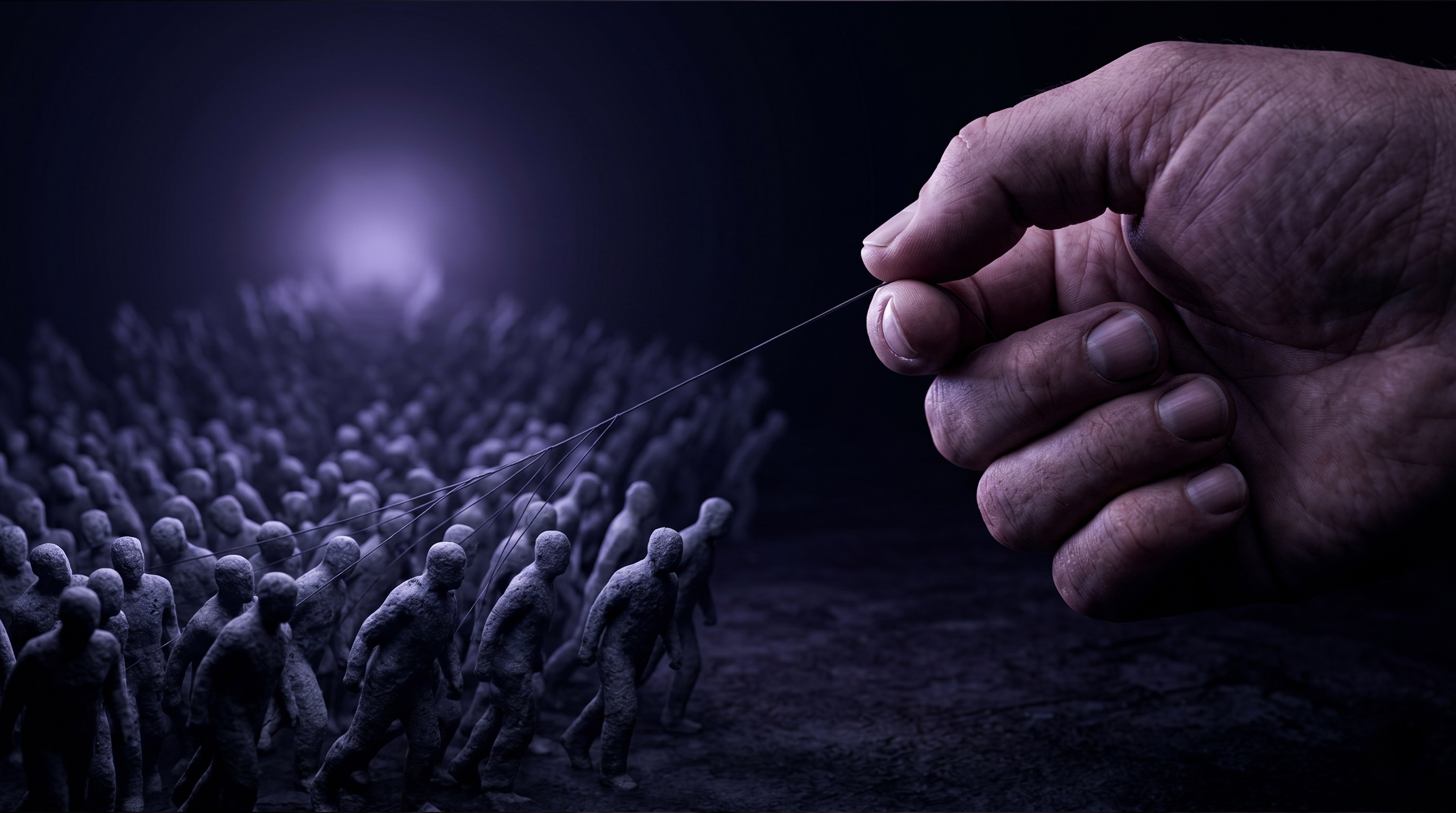
The Spark of the Unstoppable Dance
In July 1518, a woman named Frau Troffea stepped into a narrow street in Strasbourg and began to dance. There was no music, no celebration, and no apparent reason. She danced until she collapsed from exhaustion, only to wake up and resume her frantic movements. Within a week, over thirty people had joined her. By August, the number had swelled to hundreds.
This was not a joyful flash mob; it was a psychological epidemic. The dancers' feet bled, their limbs twisted, and their faces contorted in pain, yet they could not stop. The herd had caught a rhythm it could not break.
The Medical Herd’s Absurd Cure
Faced with a crisis they couldn't understand, the authorities consulted the local physicians. The medical consensus of the time blamed "hot blood." Their solution was as absurd as the phenomenon itself: they concluded that the afflicted simply needed to dance it out.
The city constructed wooden stages, hired musicians, and even paid strong men to hold the dancers upright when they began to falter. Instead of curing the hysteria, this institutional validation poured gasoline on the fire. The music provided a beat for the madness. Dozens—perhaps hundreds—danced until their hearts gave out or they died from sheer physical exhaustion.
The Anatomy of Mass Hysteria
The Dancing Plague was not caused by a virus or a biological toxin, but by the crushing weight of extreme psychological stress. Strasbourg in 1518 was a breeding ground for despair, ravaged by famine, disease, and crushing inequality.
When the human mind reaches its breaking point, it seeks an outlet. Frau Troffea’s initial breakdown acted as a psychological contagion. The herd, already drowning in collective trauma, subconsciously surrendered their individual autonomy to the group's chaotic release. It was a terrifying display of how quickly rational thought disintegrates when society hits the edge of survival.
A Mirror for the Modern Herd
While we may not dance ourselves to death in the streets today, the underlying mechanics of the 1518 plague remain deeply embedded in human nature. The modern herd still falls victim to mass hysteria, though today it takes the form of financial bubbles, digital outrage, and viral groupthink.
The tragedy of Strasbourg serves as a grim reminder: when a society is pushed to the brink, the instinct to follow the crowd can override the instinct to survive. Once the music starts playing in the minds of the herd, breaking the rhythm becomes the hardest—and most vital—act of individual rebellion.