
Stories in #society
Editor's Picks
CURATED_STORIES

The Great Greying: How the World Lost Its Color
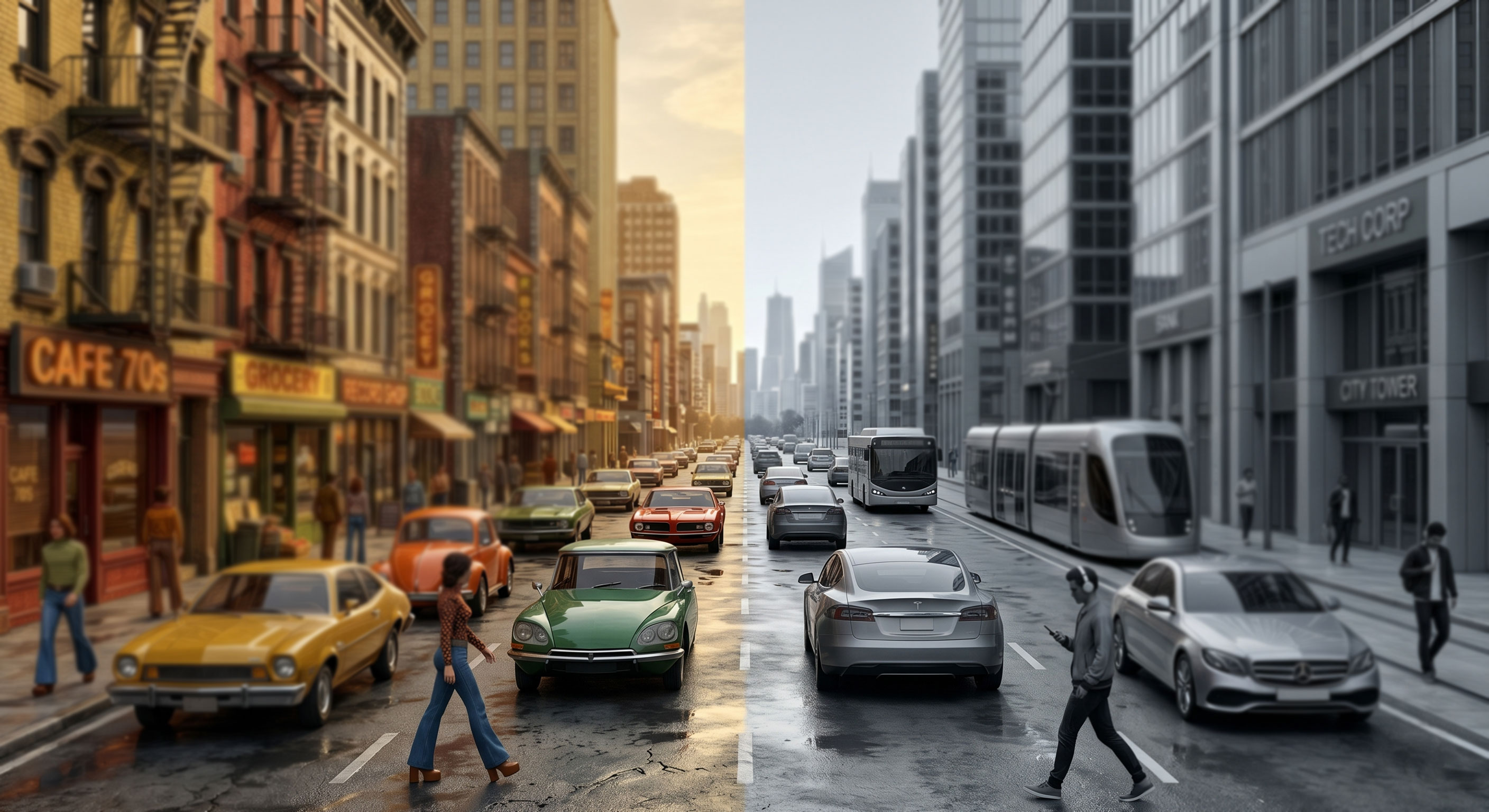
The Fading of the World There is a common psychological phenomenon where people look back at photographs, films, or memories of the mid-20th century and feel an undeniable sense of vibrancy. The past always seems to exist in a spectrum of saturated, heavy colors, while the modern era feels remarkably sterile, cold, and pale. For decades, sociologists and psychologists dismissed this feeling as mere nostalgia—a trick of the human mind romanticizing a bygone era while projecting its own modern depression onto the present. However, a recent, massive computational study proved that human memory was not hallucinating. The physical world is not just feeling colder; it is literally losing its color. In 2020, researchers at the Science Museum Group in the United Kingdom conducted an unprecedented experiment. They utilized an advanced artificial intelligence program to meticulously scan and analyze the color pixels of over 7,000 everyday objects, machines, and artifacts from their vast historical archives. The objects spanned a massive timeline, ranging from the year 1800 to the present day. The resulting data graph was chilling in its absolute linearity. In the 19th and early 20th centuries, the objects that populated human life were a chaotic explosion of warm, vibrant hues—deep woods, rich ceramic reds, mustard yellows, and heavily dyed fabrics. But as the timeline progressed into the late 20th and 21st centuries, those vibrant colors rapidly collapsed. The data proved a massive, systemic plunge towards grayscale. The world had seamlessly replaced organic vibrancy with black, white, silver, and grey. This monochromatic shift is visibly embedded in the very architecture of modern existence. A century ago, city streets were a moving canvas of brightly colored automobiles. Today, global automotive data reveals that nearly eighty percent of all new cars manufactured and sold are exclusively white, black, grey, or silver. The buildings that define modern skylines have stripped away decorative masonry, copper, and painted facades, replacing them with towering monoliths of reflective glass, brushed steel, and exposed brutalist concrete. Even the digital realm mirrors this physical fading. Major corporations and tech monopolies have spent the last decade aggressively "flattening" their logos, systematically stripping away bright colors, shadows, and visual depth in favor of sterile, minimalist, and monochrome typography. The transition from a vibrant, chaotic spectrum to an efficient, uniform grayscale was not an accident. It was the physical manifestation of industrialization and mass production. Silver, black, and white are the default colors of the synthetic materials that built the modern age: plastic, stainless steel, and aluminum. They are the colors of cost efficiency, universal appeal, and safe, inoffensive standardization. The world did not lose its color by chance; it systematically painted over it. The modern human now navigates a deeply engineered, monochromatic landscape, completely surrounded by the cold, metallic palette of the machine.
The Biological Eras: Why You Rewire at Ages 9, 32, 66, and 83
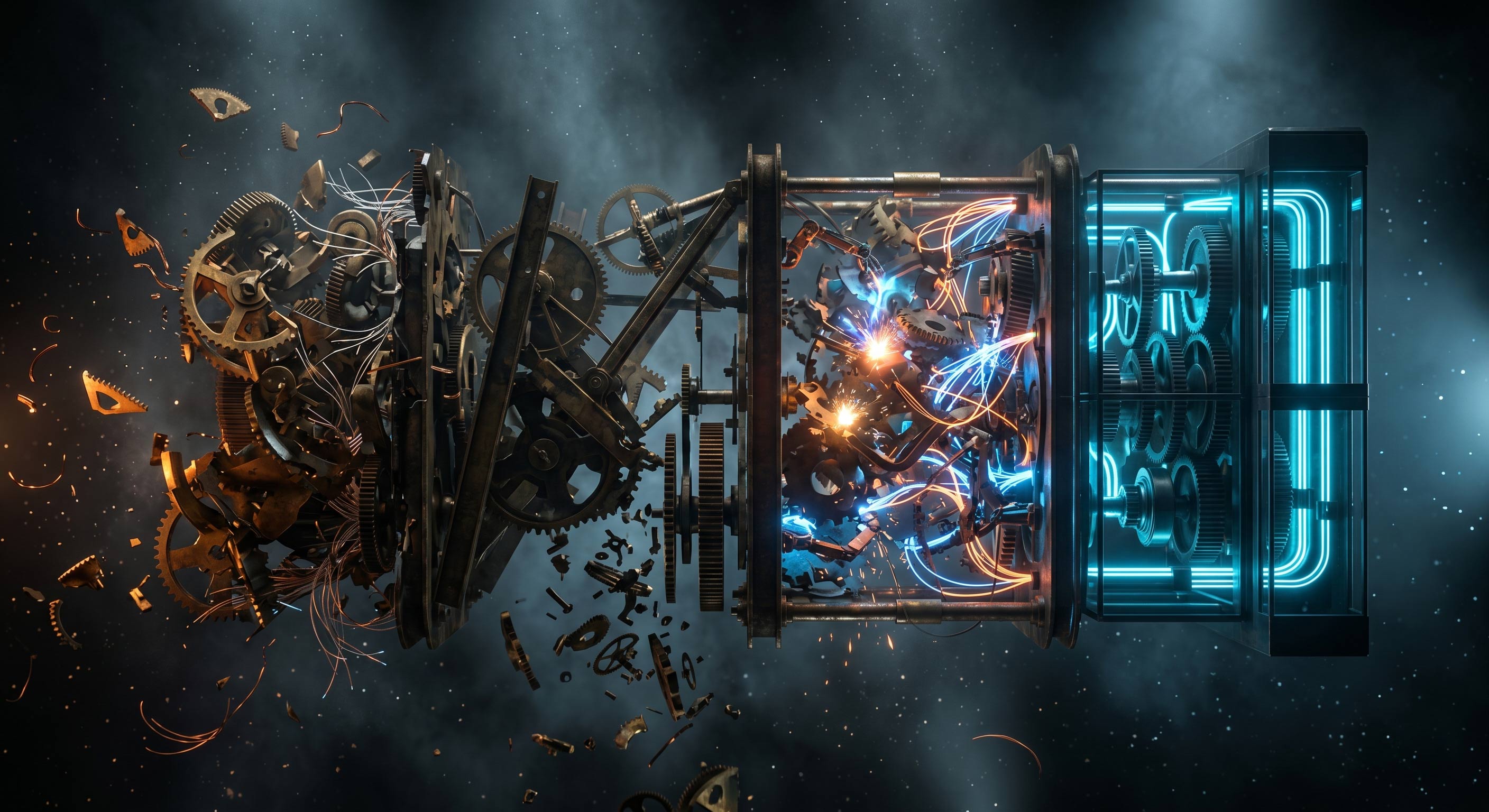
The Eras of the Mind In 1964, a British director named Michael Apted began a uniquely ambitious cinematic experiment that was originally intended to be a simple sociological study of class structure. He selected a group of fourteen seven-year-old children from vastly different socioeconomic backgrounds across Britain. His premise was straightforward: point a camera at them, ask them about their lives, their fears, and their dreams, and then return to film them again every seven years. The project, which started with the film 7 Up and culminated decades later, accidentally captured something far more profound and unsettling than the British class system. By watching human beings age in rapid, episodic intervals, the documentary revealed a haunting truth about identity. The children growing into teenagers, adults, and the elderly did not appear as the same individuals simply acquiring more time. They looked and behaved like a sequence of entirely different strangers occupying the same name. For centuries, human culture and law have relied on arbitrary, comforting numbers to define the chapters of our existence. Society declares that adulthood begins precisely at eighteen, formal education is expected to conclude in the early twenties, and the midpoint of life is casually accepted as thirty-five. We cling to the reassuring illusion that we possess a continuous, unbroken "self" that merely accumulates memories and experiences along a smooth, linear timeline. However, recent structural science has shattered this illusion entirely, proving that Apted’s camera was capturing a brutal, underlying biological reality. Researchers at Cambridge University recently mapped the structural evolution of the human brain across a massive dataset of individuals, seeking to understand the physical mechanics of aging. They did not find a slow, steady decline or a gradual, continuous maturation. Instead, the data revealed that the human brain undergoes massive, abrupt, and systemic structural rewiring at four highly specific ages: 9, 32, 66, and 83. At age nine, the child’s brain undergoes a profound architectural collapse and rebuilding. The vast, chaotic overabundance of neural connections formed during early childhood—the exact networks that create a child's boundless, unfiltered imagination—are ruthlessly pruned. The brain biologically shuts down the endless possibilities of childhood to install a more efficient, focused network designed for social survival and complex logic. The child you were biologically ceases to exist, making way for the adolescent. The second violent rewiring occurs at age thirty-two. The brain permanently hardens its structure, physically locking in habits, emotional baselines, and cognitive patterns. The neurological fluidity and adaptability of youth are biologically cemented into a fixed adult architecture. Decades later, at sixty-six, the brain undergoes another massive systemic shift, stepping away from the aggressive cognitive processing of mid-life into a completely different mode of operating. Finally, at eighty-three, the network completely reorganizes itself one last time for the final biological chapter. The terrifying poetry of this science is that you do not actually live one continuous life. Your physical existence is divided into five distinct biological eras, separated by four neurological deaths. At 9, 32, 66, and 83, the physical architecture of the person you were is systematically demolished to build the person you must become next. The human identity is not a permanent statue carved from stone; it is simply a biological machine that periodically reboots and rewrites its own operating system, leaving the ghosts of your past selves trapped entirely in the past.
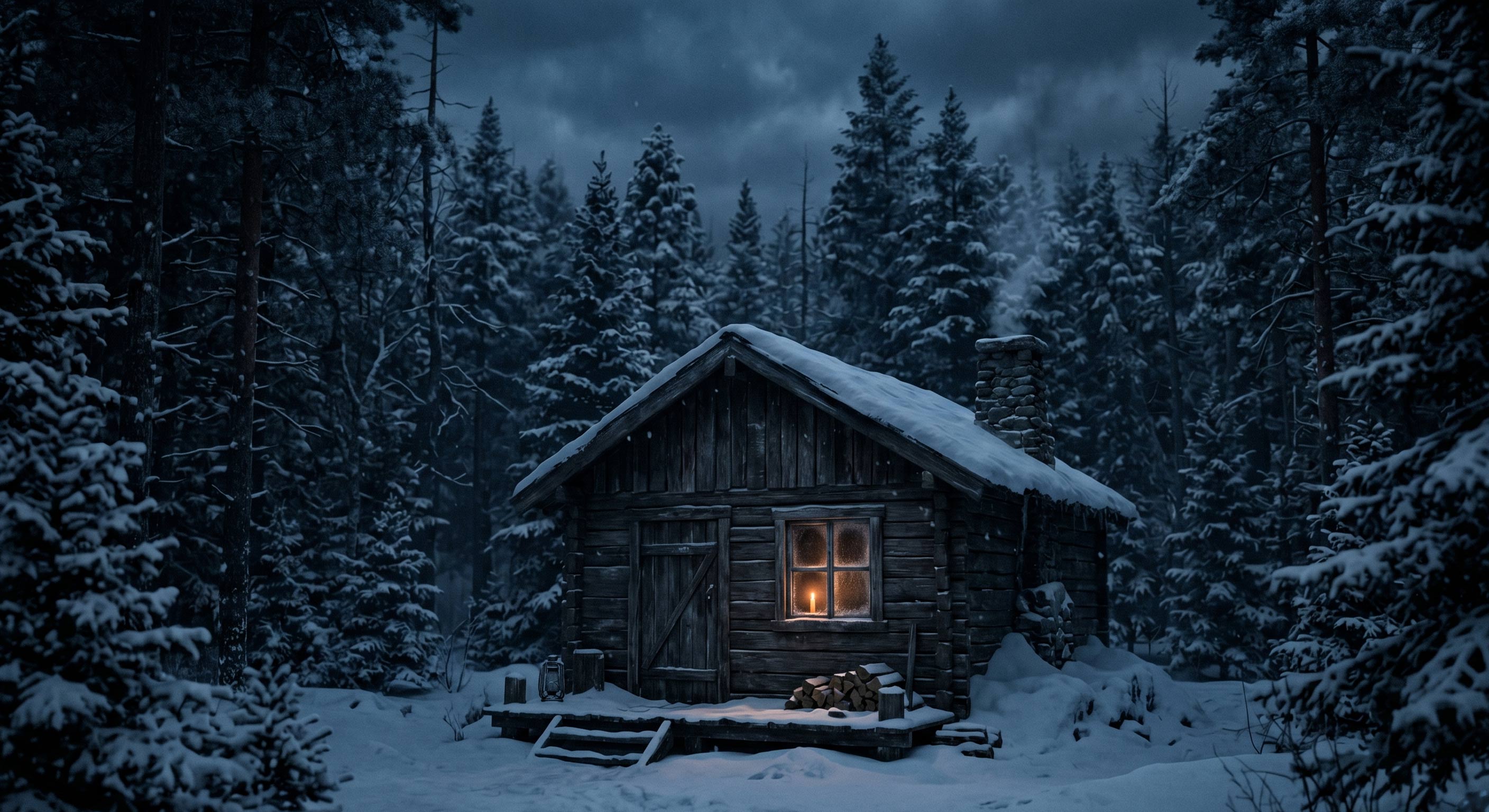
The Mathematics of Madness: The Dark Story of the Unabomber
The Ghost in the Cabin In the autumn of 1958, a sixteen-year-old boy walked onto the campus of Harvard University. Theodore Kaczynski was not just smart; he was a profound, once-in-a-generation mathematical prodigy with an IQ of 167. He was quiet, awkward, and possessed a mind that operated on a plane of pure, abstract logic. By his mid-twenties, he had earned a Ph.D. from the University of Michigan, solving complex mathematical boundary problems that his own professors could not understand. He was immediately hired as the youngest assistant professor of mathematics in the history of the University of California, Berkeley. His trajectory was flawless. He was destined to be one of the elite architects of the modern world. Then, in 1969, without any warning, Kaczynski abruptly resigned. He packed his belongings, turned his back on academia, and walked away from modern civilization entirely. He purchased a small plot of deeply isolated land in the remote wilderness of Lincoln, Montana. There, he built a tiny, ten-by-twelve-foot wooden cabin by hand. He lived without electricity, without running water, and without a telephone. He grew his own food, hunted with a rifle, and read extensively by the dim light of homemade candles. He sought the absolute, silent purity of nature, attempting to live as an entirely autonomous human being, completely detached from the grinding machinery of the industrial world. For a few years, Kaczynski found his peace. But the modern world does not tolerate a vacuum. Slowly, the industrial system began to encroach upon his isolation. Logging companies began cutting down his surrounding forests. Real estate developers started building roads through the untouched valleys. The deafening roar of jet engines and chainsaws constantly shattered the silence of his refuge. In the summer of 1983, Kaczynski hiked to his favorite, most isolated plateau—a place of pristine beauty—only to find that a massive, paved highway had been bulldozed directly through the center of it. Something inside the brilliant mathematician permanently snapped. He realized that simply running away from the system was impossible; the technological machine would eventually consume everything. He decided that the only way to protect autonomy was to violently destroy the machine. Kaczynski stopped hunting animals and began hunting the architects of the future. Operating out of his primitive, candle-lit cabin, he used scrap wood, match heads, and batteries to engineer devastatingly complex, untraceable explosive devices. Between 1978 and 1995, he mailed these meticulous bombs to universities, airlines, and computer store owners across the United States. He became a ghost, an invisible phantom that paralyzed the nation. The FBI named him the "UNABOMBER" (University and Airline Bomber), launching the longest and most expensive manhunt in American history. For seventeen years, thousands of agents hunted him, utilizing the most advanced forensic technology in the world, yet they found absolutely nothing. He left no fingerprints, no DNA, and no paper trail. The system's most advanced tools were completely useless against a man who used no technology. In 1995, the invisible bomber made a demand. He sent a massive, 35,000-word manifesto titled Industrial Society and Its Future to the national media, promising to stop the bombings if it was published. The manifesto was a meticulously argued, chillingly rational critique of how modern technology and industrialization were systematically destroying human freedom and dignity. The FBI authorized its publication, hoping someone would recognize the writing style. It was a fatal miscalculation for Kaczynski. His own brother, reading the essay in a newspaper, recognized the distinct vocabulary and philosophical arguments. On April 3, 1996, heavily armed federal agents surrounded the tiny, snow-covered cabin in Montana. They did not find a heavily armed militia or a high-tech mastermind. They found an unkempt, disheveled man covered in soot, living in utter squalor, surrounded by bomb-making materials and thousands of pages of encrypted mathematical journals. The genius who had terrified a nation and outsmarted the FBI for nearly two decades was quietly escorted out of the woods, spending the rest of his life locked inside a concrete cell in a supermax prison, watching from a tiny window as the technological world he tried to destroy continued its unstoppable march forward.
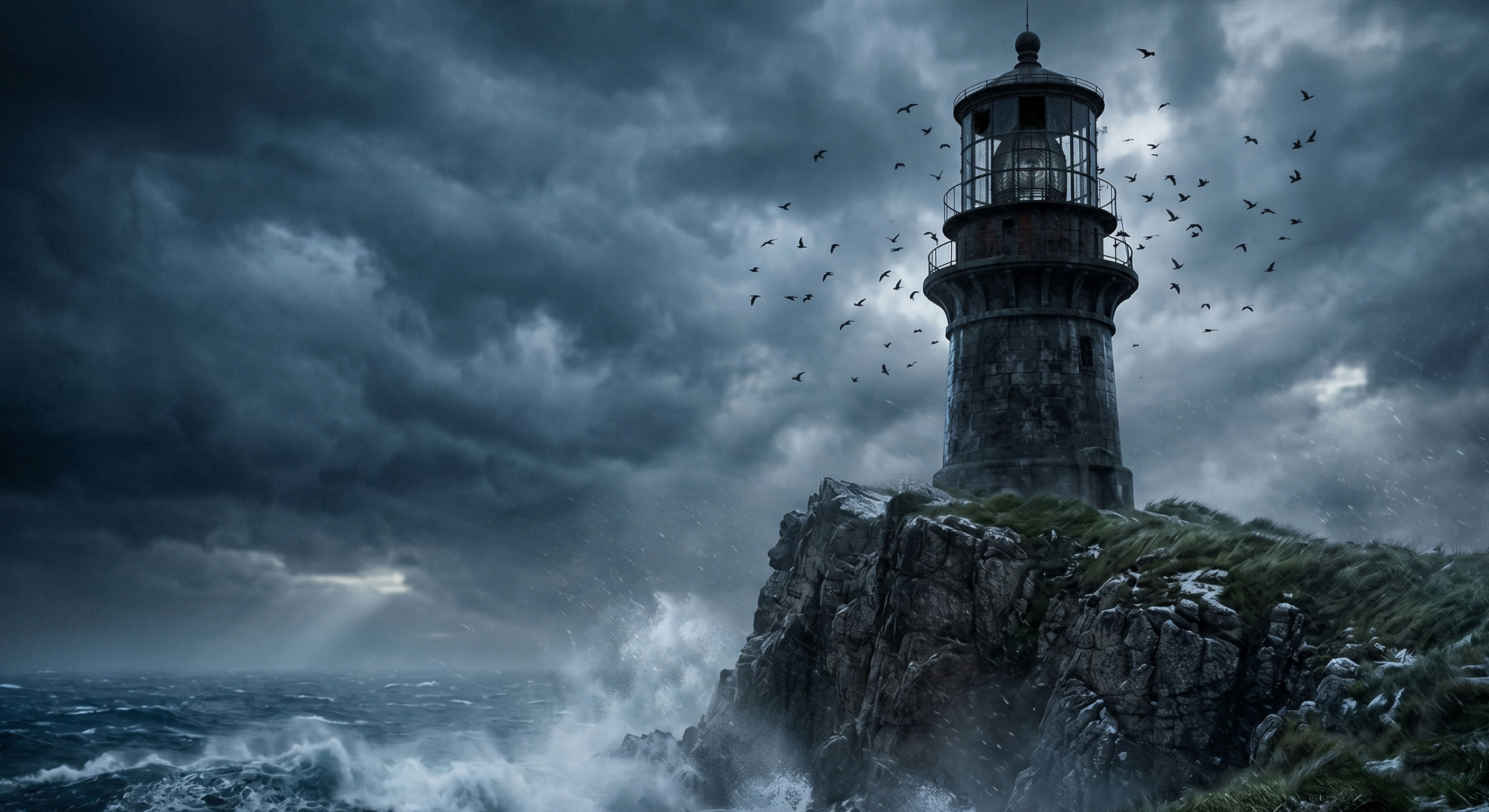
The Flannan Isles Lighthouse Mystery
The Silence of Eilean Mòr The Outer Hebrides of Scotland are known for their unforgiving weather and isolating geography, but even by those brutal standards, the Flannan Isles are exceptionally desolate. The largest of these rocky outcrops, Eilean Mòr, is a sheer, grass-topped cliff rising aggressively out of the freezing North Atlantic. In 1899, a state-of-the-art lighthouse was constructed on the peak of the island to guide passing ships through the treacherous waters. It was a massive, seventy-five-foot tower of solid stone, designed to withstand the absolute worst of nature's fury. Manning this remote outpost was a highly experienced crew of three keepers: Thomas Marshall, James Ducat, and Donald MacArthur. They were tough, seasoned men who had spent their entire lives battling the ocean. On the night of December 15, 1900, the captain of the passing steamer Archtor noticed something deeply alarming: the massive beam of the Flannan Isles lighthouse was entirely dark. When the ship reached port, the captain reported the dead light, but severe winter storms delayed any rescue attempt. It wasn't until December 26, the day after Christmas, that the relief ship Hesperus finally managed to reach the island. As the ship approached the cliffs, the crew fired a flare and blew the ship’s horn. The only response was the deafening sound of the crashing waves. The relief keeper, a man named Joseph Moore, was sent ashore in a small rowboat. He climbed the steep, narrow stone steps carved into the cliff face, feeling a growing sense of dread with every step. When he reached the lighthouse, he found the heavy entrance gate and the main doors completely locked. Inside, the silence was overwhelming. The ashes in the fireplace were stone cold, indicating it had been unlit for days. The beds were unmade. The mechanical clocks on the wall had completely stopped. But the most unsettling discovery was found in the hallway: two sets of heavy outdoor oilskins and waterproof boots were missing, but the third set remained hanging on its peg. This meant that one of the men had exited the lighthouse into the freezing, violent winter air wearing nothing but his indoor clothes. Nearby, a single wooden chair was found overturned on the kitchen floor, suggesting someone had stood up in a sudden, desperate panic. Desperate for answers, Moore searched for the official lighthouse logbook. What he found only deepened the horror. The entries leading up to the disappearance defied all logic. On December 12, Thomas Marshall noted "severe winds the likes of which I have never seen before in twenty years." He wrote that James Ducat, the principal keeper, was completely silent, and that Donald MacArthur—a veteran sailor famous on the mainland for his booming voice and fearless temper—was weeping. On December 13, the log stated that the storm continued, and all three men were praying. The terrifying paradox of these entries was that the official weather reports from the surrounding islands and passing ships recorded completely calm weather and clear skies on those exact days. There was no storm. Whatever the three men were experiencing, whatever was making a hardened veteran cry and forcing them to their knees in prayer, was entirely isolated to that single, lonely rock in the ocean. The final entry in the logbook was written on the afternoon of December 15. It was chillingly brief. It simply read: "Storm ended, sea calm. God is over all." Despite massive search efforts across every inch of the island, not a single trace of Thomas Marshall, James Ducat, or Donald MacArthur was ever found. No bodies washed ashore, no wreckage was recovered. They had simply vanished from the face of the earth, leaving behind a dark tower, an overturned chair, and a storm that existed nowhere else but in their own terrified words.
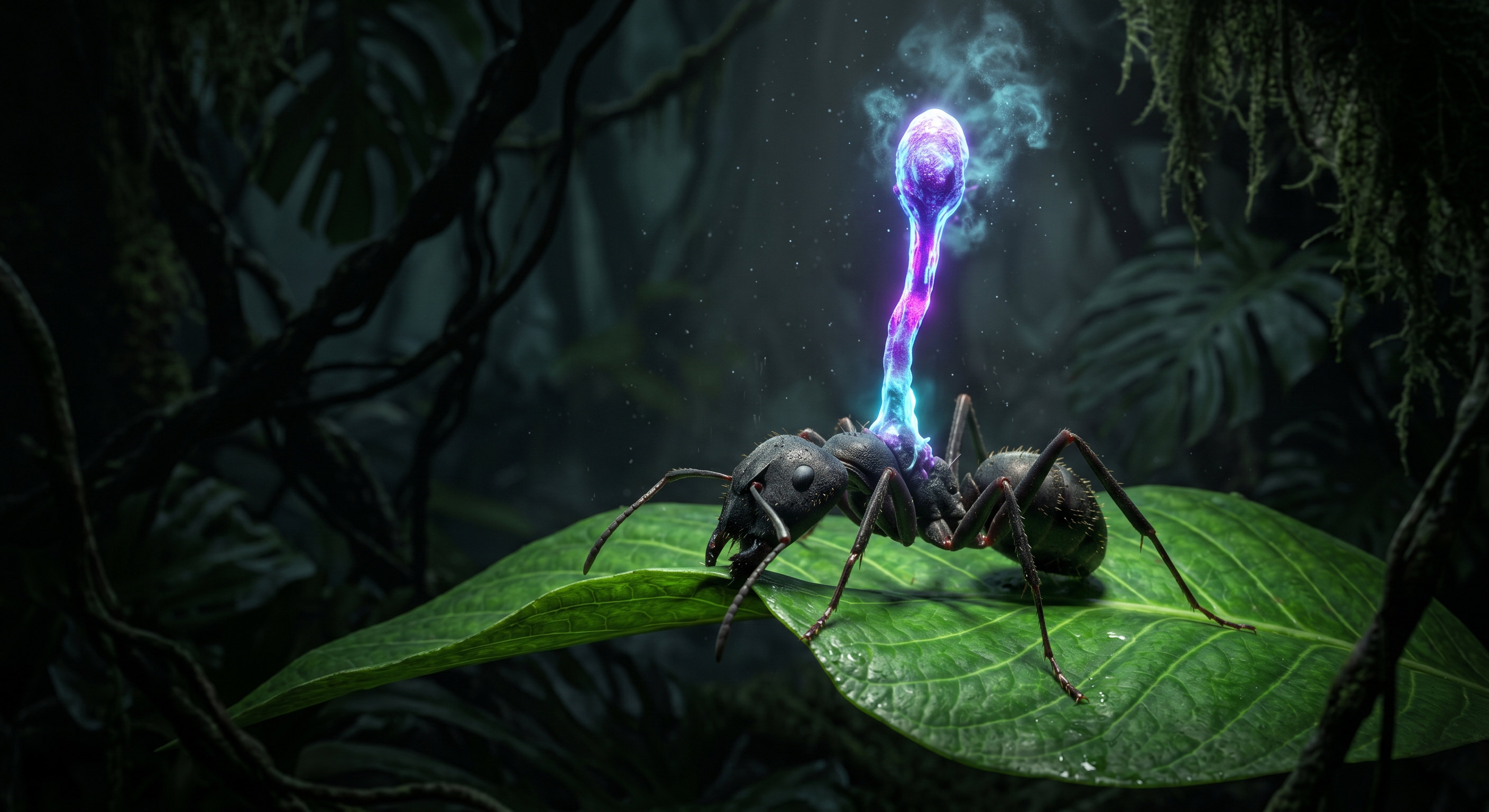
What the Zombie Ant Teaches Us About Ambition
The Architecture of the Parasite Deep within the tropical rainforests, there exists a biological phenomenon so deeply terrifying that it feels like a work of dark science fiction. It is a parasitic fungus known as Ophiocordyceps unilateralis, and its entire survival strategy relies on the absolute hijacking of another creature’s free will. The process begins invisibly when a foraging carpenter ant walks over a microscopic fungal spore. The spore attaches to the ant's exoskeleton and uses enzymes to slowly eat its way inside the body. Once inside, the fungus does not immediately kill the host. Instead, it begins to silently multiply, growing a complex network of cells that infiltrate the ant’s central nervous system and muscles. Eventually, the fungus takes complete control of the ant’s brain. The infected ant stops acting like an ant. It abandons its colony, its evolutionary purpose, and its own survival instincts. Driven by a chemical command it cannot resist or understand, the ant begins to climb. It scales a nearby plant stem, compelled to reach a very specific height where the temperature and humidity are mathematically perfect for the fungus to grow. At exactly solar noon, the parasite forces the ant’s mandibles to clamp down violently onto a leaf vein in a permanent "death grip." Only then, once the ant has served its purpose as a biological vehicle, does the fungus kill it. Days later, a long, sinister fungal stalk bursts through the back of the dead ant's head, releasing thousands of new spores into the wind to infect the next generation of the herd. The ant died believing the urge to climb was its own idea. When we look at the bizarre tragedy of the zombie ant, we observe it with a sense of morbid curiosity, entirely blind to the fact that modern human civilization operates on the exact same parasitic architecture. We do not suffer from a biological fungus; we are infected by invisible, systemic ideologies. The modern world is engineered to implant psychological spores—the relentless worship of status, the addiction to synthetic digital validation, and the blind pursuit of endless material consumption—deep into our collective consciousness. From the moment we are born, the system uses media, algorithms, and cultural conditioning to eat its way into our central nervous system. We call this infection "ambition." We genuinely believe that the agonizing desire to work eighty hours a week, accumulate crippling debt for luxury goods, and sacrifice our genuine human connections is our own original idea. But we are simply infected. The system pilots us. It forces us to abandon our true nature and our communities to climb the towering stalks of the corporate ladder and social media hierarchies. We climb desperately, exhausting our physical and mental health, seeking the perfect "height" of societal approval. When we finally reach the top, we clamp our jaws down. We lock ourselves into massive mortgages, golden handcuffs, and highly curated digital personas. We freeze in place, trapped in a permanent death grip of lifestyle maintenance. And once we are fully paralyzed by our possessions and responsibilities, the system feeds on our exhausted lives, extracting our labor, our data, and our capital to rain new spores down upon the next generation of the herd. True free will is the ultimate cure to this infection. It requires the immense, agonizing clarity to look at the towering stalks of modern success, recognize the parasite whispering in your mind, and absolutely refuse to climb.
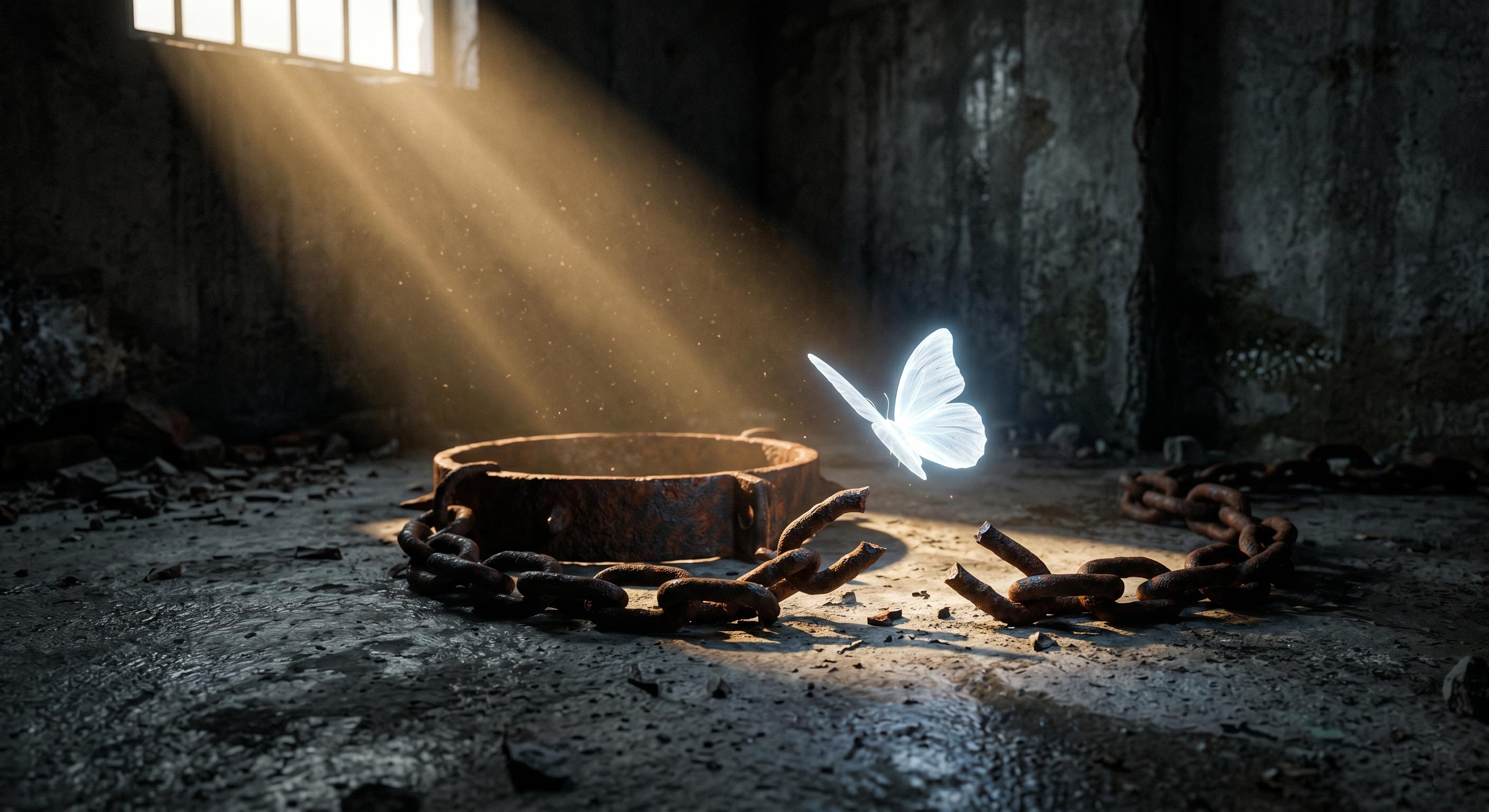
The Science of Broken Wills and the Illusion of the Cage
The Science of Broken Wills In 1967, at the University of Pennsylvania, a psychologist named Martin Seligman conducted a series of experiments that would accidentally reveal the darkest operational secret of systemic control. The experiment involved placing dogs into divided chambers where the floor could deliver a mild but highly uncomfortable electric shock. The dogs were split into different groups. The first group was subjected to shocks, but they were provided with a panel they could press with their noses to instantly turn the electricity off. They had agency. The second group was wired in parallel, receiving the exact same shocks at the exact same time, but their panel did nothing. No matter what they did, how much they barked, or how frantically they moved, the pain was completely out of their control. They were subjected to absolute, inescapable misery. The truly terrifying phase of the experiment occurred the following day. All the dogs were placed into a completely new type of box. This time, the box was divided by a very low barrier, just a few inches high. If a dog felt a shock, all it had to do was effortlessly step over the tiny wall to reach the safe side. When the shocks began, the dogs from the first group—the ones who had previously learned they could control their environment—immediately leaped over the barrier to safety. But the dogs from the second group did something that chilled the researchers to the bone. When the floor electrified, they did not run. They did not jump. They didn't even look for a way out. They simply lay down on the electrified grid, curled into a ball, and passively whined, accepting the pain. The barrier was inches high. The door to salvation was wide open. Yet, they remained trapped in a cage made entirely of their own broken psychology. Seligman had discovered "Learned Helplessness." This experiment proves a profound and terrifying neurological reality: trauma is not merely the experience of pain; it is the absolute destruction of agency. When a biological organism is repeatedly subjected to distress that it cannot influence, the brain literally rewires itself to stop trying. The mind builds an invisible wall much higher and thicker than any physical cage. The organism learns that action is pointless, and therefore, it surrenders its free will. The tragedy of the second group of dogs was not that they were shocked; it was that they had been systematically taught that their choices did not matter. Once that belief is installed, the master no longer needs a leash. The captive will enforce their own captivity. If you zoom out and observe the architecture of the modern world, it becomes agonizingly clear that contemporary society operates as a massive, sophisticated learned helplessness machine. The global herd is constantly subjected to economic crises they cannot control, bureaucratic mazes designed to exhaust them, and relentless, fear-driven news cycles that paralyze their minds. We are bombarded with the message that the systemic forces—the economy, the algorithms, the political theater—are far too massive and complex for a single individual to change. The system continuously delivers psychological shocks while simultaneously ensuring that the panel we press does absolutely nothing. Eventually, the collective human spirit just lies down on the grid. This is why the herd refuses to rebel. It is not because they are genuinely happy with the soul-crushing corporate grind, the endless debt, or the synthetic digital isolation. They endure it because they have been conditioned to believe that the barrier is a towering, insurmountable wall, rather than a tiny fence they could easily step over. The ultimate illusion of the modern matrix is that we are trapped. The truth is, the doors to true autonomy, creative freedom, and radical individuality are often wide open. Reclaiming your free will begins with the agonizing realization that the chains holding you back are no longer made of iron; they are made of memory. To escape the system, you must first unlearn the helplessness it taught you.