The Science of Broken Wills
In 1967, at the University of Pennsylvania, a psychologist named Martin Seligman conducted a series of experiments that would accidentally reveal the darkest operational secret of systemic control. The experiment involved placing dogs into divided chambers where the floor could deliver a mild but highly uncomfortable electric shock. The dogs were split into different groups. The first group was subjected to shocks, but they were provided with a panel they could press with their noses to instantly turn the electricity off. They had agency. The second group was wired in parallel, receiving the exact same shocks at the exact same time, but their panel did nothing. No matter what they did, how much they barked, or how frantically they moved, the pain was completely out of their control. They were subjected to absolute, inescapable misery.
The truly terrifying phase of the experiment occurred the following day. All the dogs were placed into a completely new type of box. This time, the box was divided by a very low barrier, just a few inches high. If a dog felt a shock, all it had to do was effortlessly step over the tiny wall to reach the safe side. When the shocks began, the dogs from the first group—the ones who had previously learned they could control their environment—immediately leaped over the barrier to safety. But the dogs from the second group did something that chilled the researchers to the bone. When the floor electrified, they did not run. They did not jump. They didn't even look for a way out. They simply lay down on the electrified grid, curled into a ball, and passively whined, accepting the pain. The barrier was inches high. The door to salvation was wide open. Yet, they remained trapped in a cage made entirely of their own broken psychology. Seligman had discovered "Learned Helplessness."
This experiment proves a profound and terrifying neurological reality: trauma is not merely the experience of pain; it is the absolute destruction of agency. When a biological organism is repeatedly subjected to distress that it cannot influence, the brain literally rewires itself to stop trying. The mind builds an invisible wall much higher and thicker than any physical cage. The organism learns that action is pointless, and therefore, it surrenders its free will. The tragedy of the second group of dogs was not that they were shocked; it was that they had been systematically taught that their choices did not matter. Once that belief is installed, the master no longer needs a leash. The captive will enforce their own captivity.
If you zoom out and observe the architecture of the modern world, it becomes agonizingly clear that contemporary society operates as a massive, sophisticated learned helplessness machine. The global herd is constantly subjected to economic crises they cannot control, bureaucratic mazes designed to exhaust them, and relentless, fear-driven news cycles that paralyze their minds. We are bombarded with the message that the systemic forces—the economy, the algorithms, the political theater—are far too massive and complex for a single individual to change. The system continuously delivers psychological shocks while simultaneously ensuring that the panel we press does absolutely nothing. Eventually, the collective human spirit just lies down on the grid.
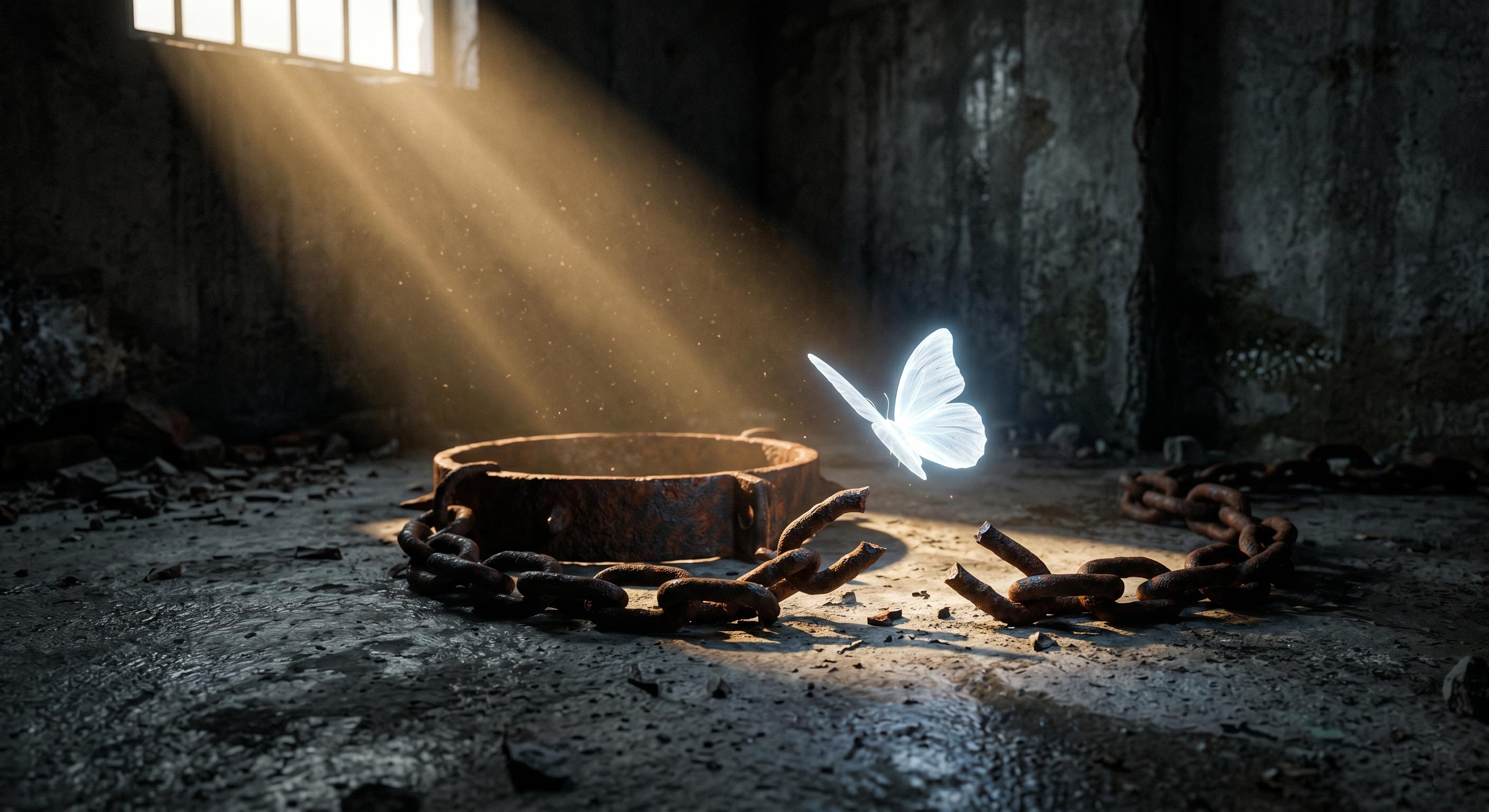
This is why the herd refuses to rebel. It is not because they are genuinely happy with the soul-crushing corporate grind, the endless debt, or the synthetic digital isolation. They endure it because they have been conditioned to believe that the barrier is a towering, insurmountable wall, rather than a tiny fence they could easily step over. The ultimate illusion of the modern matrix is that we are trapped. The truth is, the doors to true autonomy, creative freedom, and radical individuality are often wide open. Reclaiming your free will begins with the agonizing realization that the chains holding you back are no longer made of iron; they are made of memory. To escape the system, you must first unlearn the helplessness it taught you.