The Architecture of Erasure
Every single day, millions of people operating within the dense architecture of modern cities consume, flush, and immediately forget. The moment the water spirals down the drain, it vanishes from the collective consciousness, moving out of sight and out of mind. But this immense, endless river of human waste does not simply disappear; it enters a vast, hidden mechanical underworld designed to manage the staggering biological cost of human civilization. The journey begins in a labyrinth of subterranean pipes that funnel the raw, untreated sewage into the gaping maw of a treatment facility. Before any chemical or biological processing can occur, the water must pass through heavy mechanical grids. These screens act as the first line of defense, filtering out a bizarre and unsettling collection of solid objects that people flush away—everything from plastic waste to items that defy logical explanation.
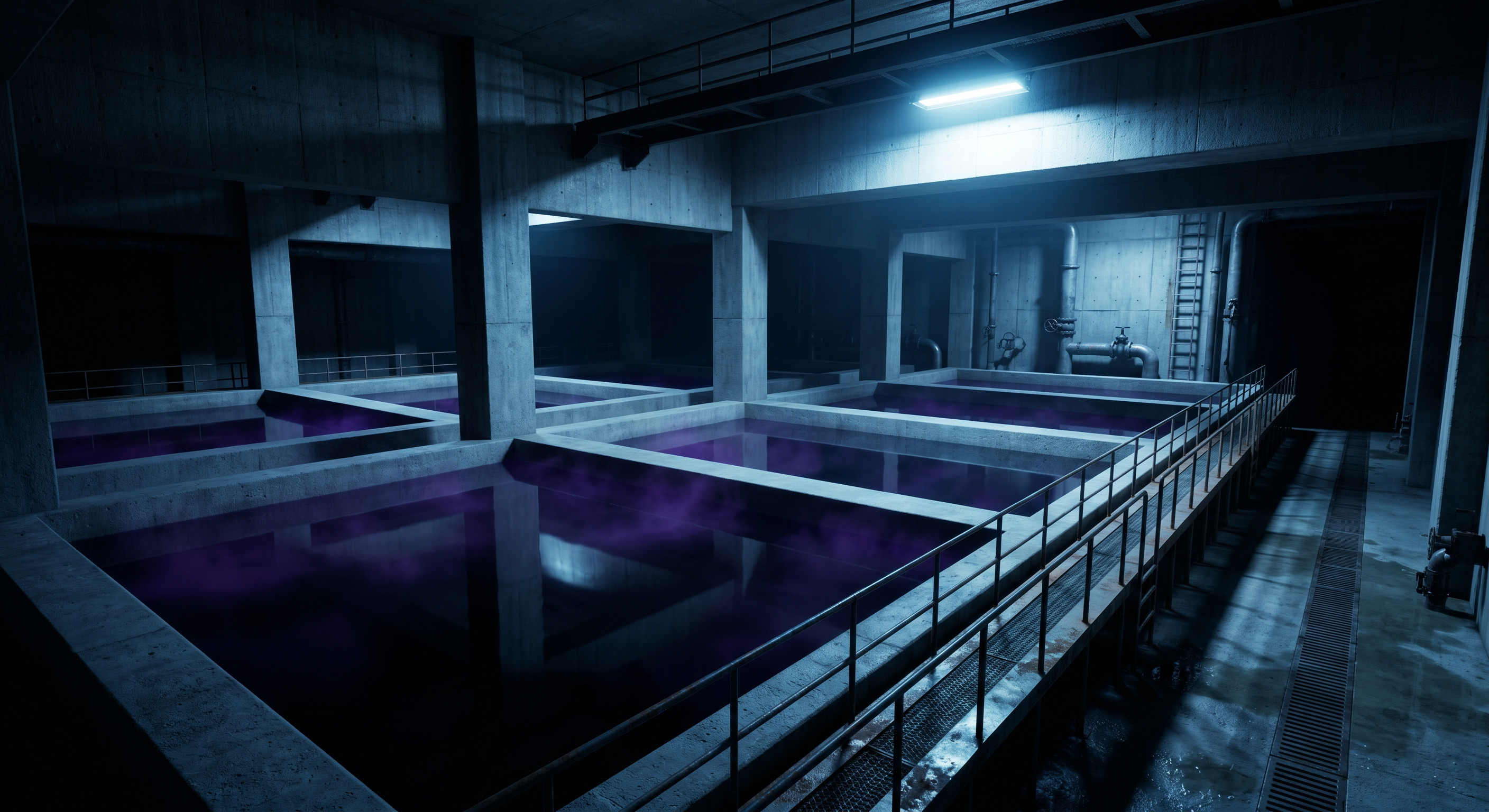
Once the heavy debris is violently scraped away, the dark water flows into massive settling basins. Here, the speed of the flow is deliberately slowed down to allow sand, grit, and heavy particles to sink to the bottom, while oils and grease float to the surface to be skimmed off. But the true alchemy happens in the aeration tanks. This is a stage of biological warfare, where millions of microscopic bacteria are intentionally introduced and pumped full of oxygen. These microorganisms feed on the dissolved organic waste, essentially eating the pollution out of the water. After the bacteria have gorged themselves, the water moves to a final clarifier where these biological solids sink to the bottom as a thick, dark sludge. The remaining water, now remarkably clear, is heavily treated—often with chlorine—before being discharged into oceans, rivers, or strictly regulated agricultural irrigation systems, carefully measured to ensure it meets strict environmental standards.
The genius of this brutalist infrastructure, however, lies in how it handles the leftover sludge. Instead of simply discarding this highly concentrated biological waste, advanced facilities pump it into massive, oxygen-free digesters. Here, a different set of bacteria breaks down the sludge, producing highly combustible methane gas as a byproduct. This gas is captured and burned to generate electricity, often powering up to 60 percent of the treatment plant's own massive energy needs. What is left of the sludge is aggressively pressed to squeeze out any remaining water—which is sent right back to the beginning of the facility—while the dry, solid cakes are trucked away to landfills. It is an endlessly churning, closed-loop machine of extraction and combustion.
This hidden, subterranean factory is the ultimate physical metaphor for modern society. The modern herd is obsessed with the illusion of a pristine existence, demanding absolute cleanliness while producing an unimaginable volume of waste. We build gleaming, towering cities of glass and steel, but they are entirely dependent on a dark, brutal underworld working tirelessly to erase the physical consequences of our consumption. People believe they are fundamentally clean simply because they have outsourced their filth to an invisible machine. We have engineered a reality where we never have to face our own remnants, perfectly illustrating a society that demands the comforts of existence without ever taking responsibility for the absolute mess it leaves behind.