The Phantom Crowd
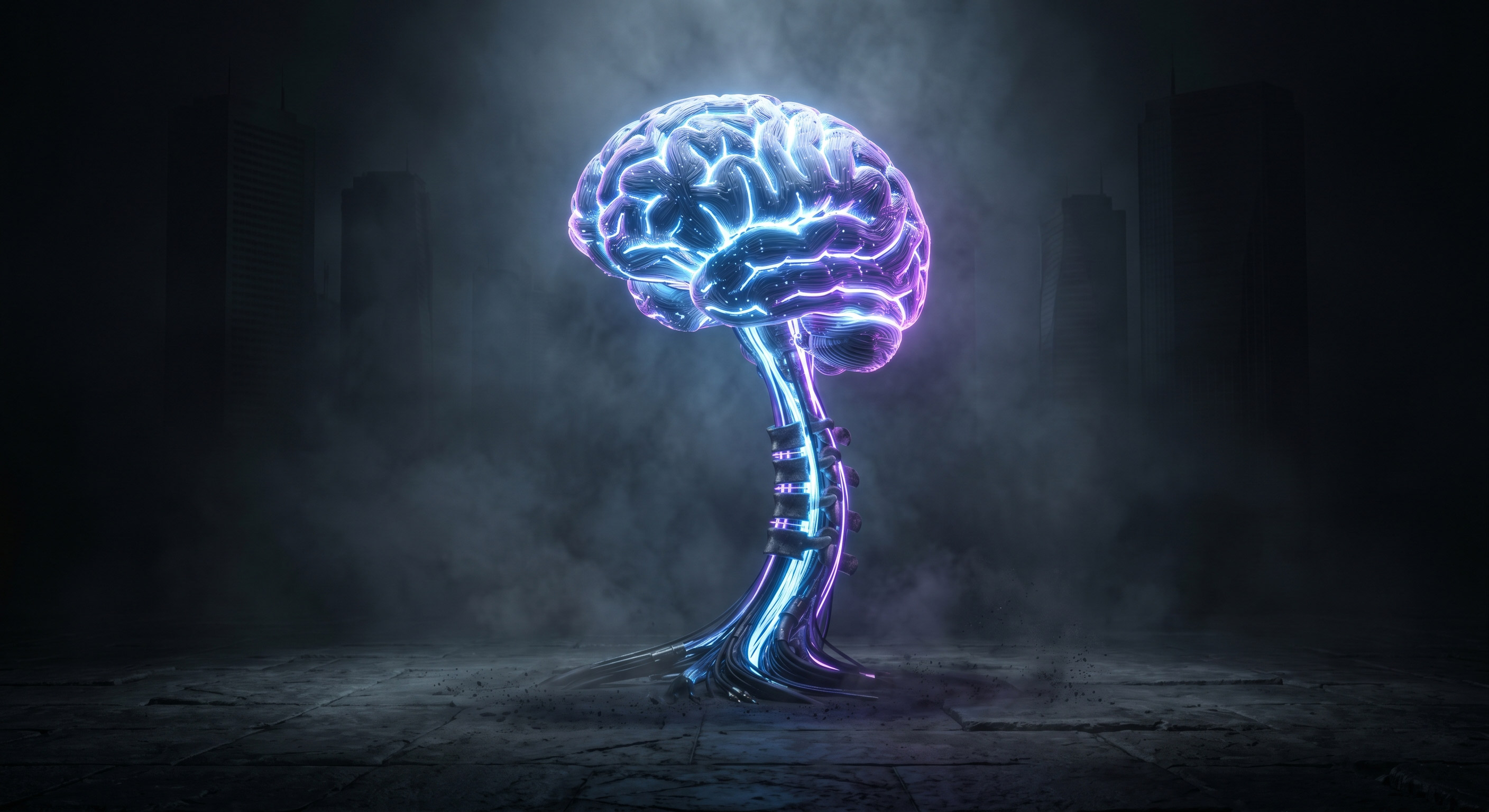
In the early days of the digital frontier, the internet was a raw, chaotic, and profoundly human space. It was a chaotic network of personal blogs, messy forums, and unfiltered human consciousness connecting across continents. However, a chilling hypothesis known as the "Dead Internet Theory" suggests that this era has quietly ended, and the bustling digital metropolis we believe we are navigating today is actually a sophisticated ghost town. According to this theory, sometime in the late 2010s, organic human activity was overtaken by artificial intelligence, automated bots, and algorithmic content farms. The terrifying premise is that the majority of the posts, comments, trending hashtags, and online arguments we see are no longer generated by living, breathing people, but by vast networks of code programmed to endlessly talk to one another.
The mechanics of this phantom takeover are entirely driven by the modern economy of attention. Social media platforms do not prioritize truth or authentic human connection; their primary objective is to keep users endlessly scrolling. To achieve this, it became vastly more efficient to automate content generation. Bot networks are deployed to scrape old images, rewrite past viral thoughts, and generate artificial outrage. When a controversial post goes viral, the thousands of furious comments underneath it are often just opposing algorithms programmed to simulate human conflict, artificially inflating engagement metrics. We are witnessing a synthetic loop where bots generate content, other bots react to it, and algorithms promote the resulting noise to the top of our feeds. The internet has transformed from a tool of human communication into a closed-circuit mirror, reflecting a manufactured reality.
What makes this invisible architecture so dangerous is how effortlessly it exploits human psychology. As social creatures, we are biologically wired to look to the crowd to understand our reality, gauge societal norms, and seek validation. But when the crowd is a phantom, our perception of reality is quietly hijacked. People are modifying their genuine beliefs, self-censoring, and feeling profound isolation based on the artificial consensus of machines. The modern herd is desperately performing for an audience of empty code, sacrificing their authentic voices to gain the approval of algorithms that cannot feel, care, or understand.
The ultimate tragedy of the modern era is that we are dying of thirst while drowning in an ocean of synthetic connection. We type our deepest fears and greatest ambitions into glowing rectangles, hoping for a human echo, only to receive a mathematically optimized simulation of empathy or outrage. To reclaim true individuality in this algorithmic age requires a radical shift in perspective. It demands that we stop seeking validation from a digital crowd that does not exist. True freedom begins the moment you realize that the overwhelming roar of the internet is mostly just the sound of a machine humming in the dark, and the only voice that truly matters is the one you cultivate in the quiet of reality.