It was October 1962. The world was living through one of its darkest moments. The Cuban Missile Crisis had reached its peak, and humanity was teetering on the edge of a nuclear apocalypse. Tensions between the United States and the Soviet Union were at an all-time high. Yet, in the shadow of this massive power struggle, deep beneath the ocean, a decision made by a single man would determine the fate of the world. This is the story of someone who listened to the voice of his conscience despite the crushing pressure of hierarchy and protocol: Vasili Arkhipov.
The Soviet submarine B-59 was submerged in the cold waters of the Atlantic on a secret mission, but it had been detected by the US Navy. The American destroyer USS Randolph began dropping signaling depth charges—intended only as a warning, though the trapped submarine crew had no way of knowing this—to force the B-59 to the surface. Days of being hunted, depleting oxygen levels, temperatures exceeding 40°C, and a total blackout of communication with the outside world had pushed the crew to the brink of madness. Captain Valentin Savitsky was convinced that a global nuclear war had already begun on the surface.
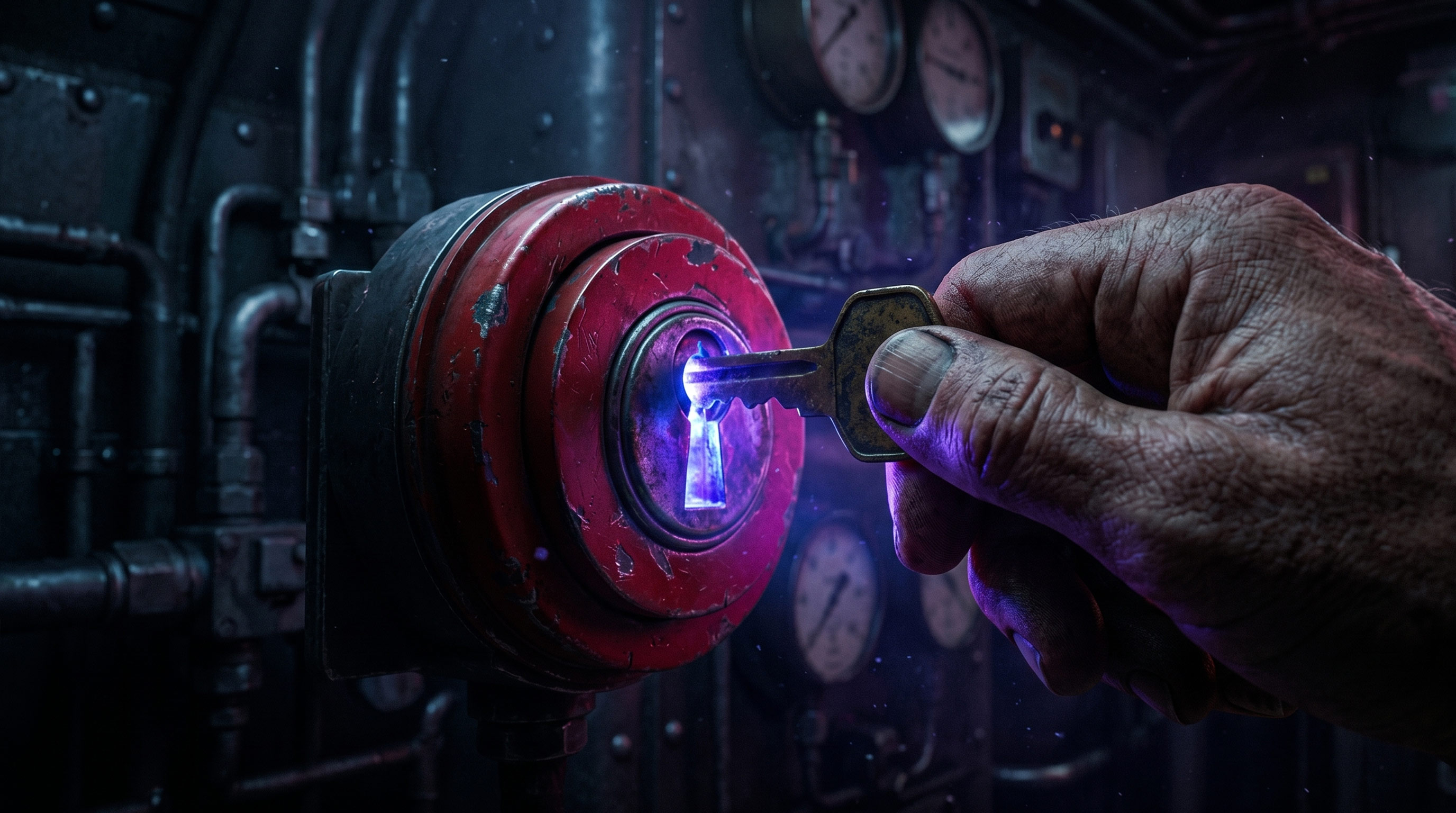
The B-59 carried a tactical nuclear torpedo. Launching it required the unanimous consent of three commanding officers: Captain Savitsky, Political Officer Ivan Maslennikov, and the submarine flotilla commander, Vasili Arkhipov. Savitsky and Maslennikov agreed to launch. Believing the war was already lost, the captain was ready to ignite a nuclear response. The military system demanded blind obedience to the chain of command. But Arkhipov stood alone against this terrifying hierarchy. He issued a single veto and said "no."
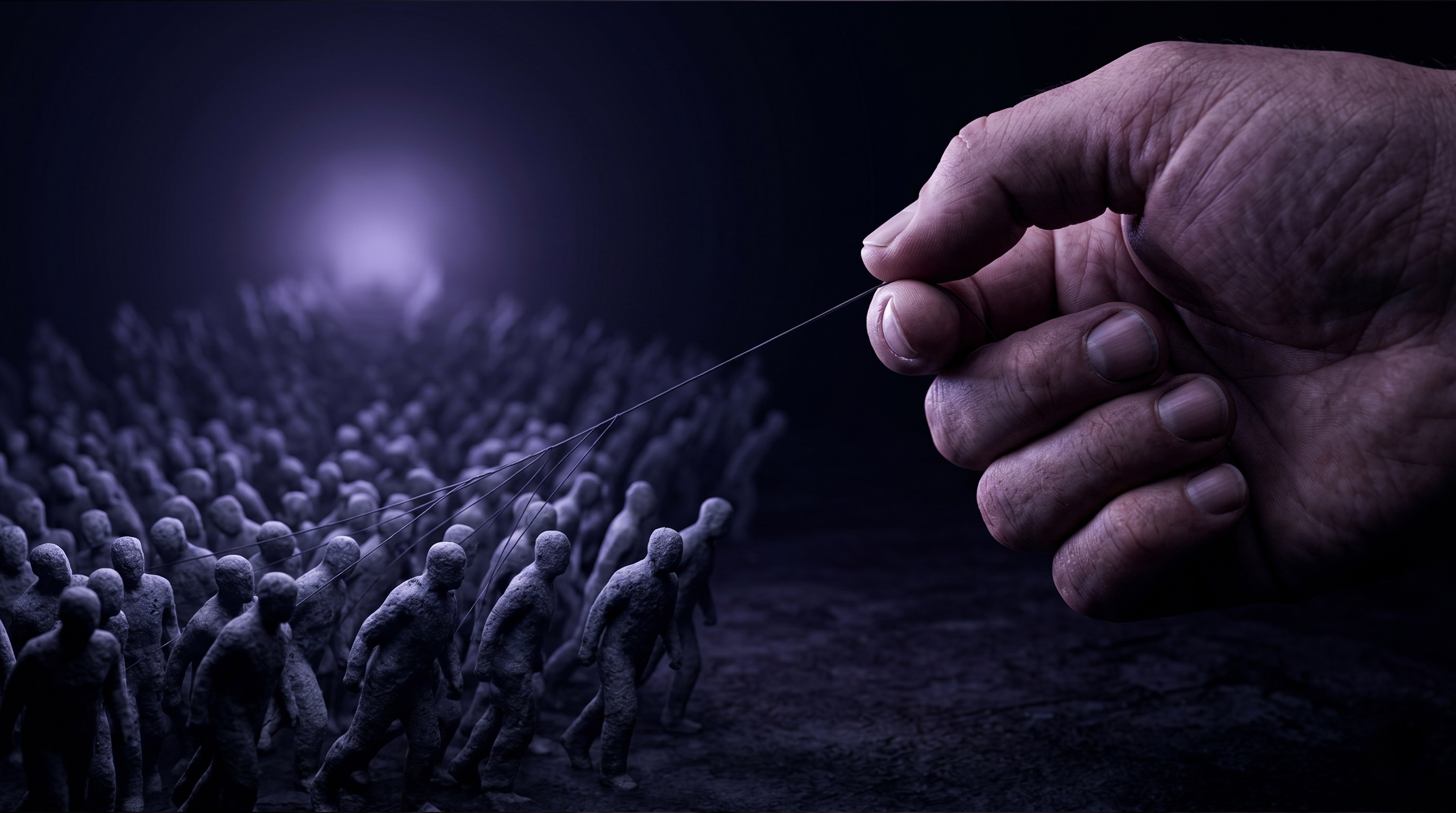
Arkhipov managed to calm Captain Savitsky down. The nuclear torpedo remained in its tube, the submarine surfaced peacefully, and a global catastrophe was averted. This was not merely an act of insubordination; it was the ultimate victory of individual conscience over mechanical obedience. Arkhipov’s decision demonstrates how rigid systems and fear can enslave the mind, but also how a single act of free will can shatter that chain. He chose to be an individual guided by morality, and that solitary act of defiance saved humanity.