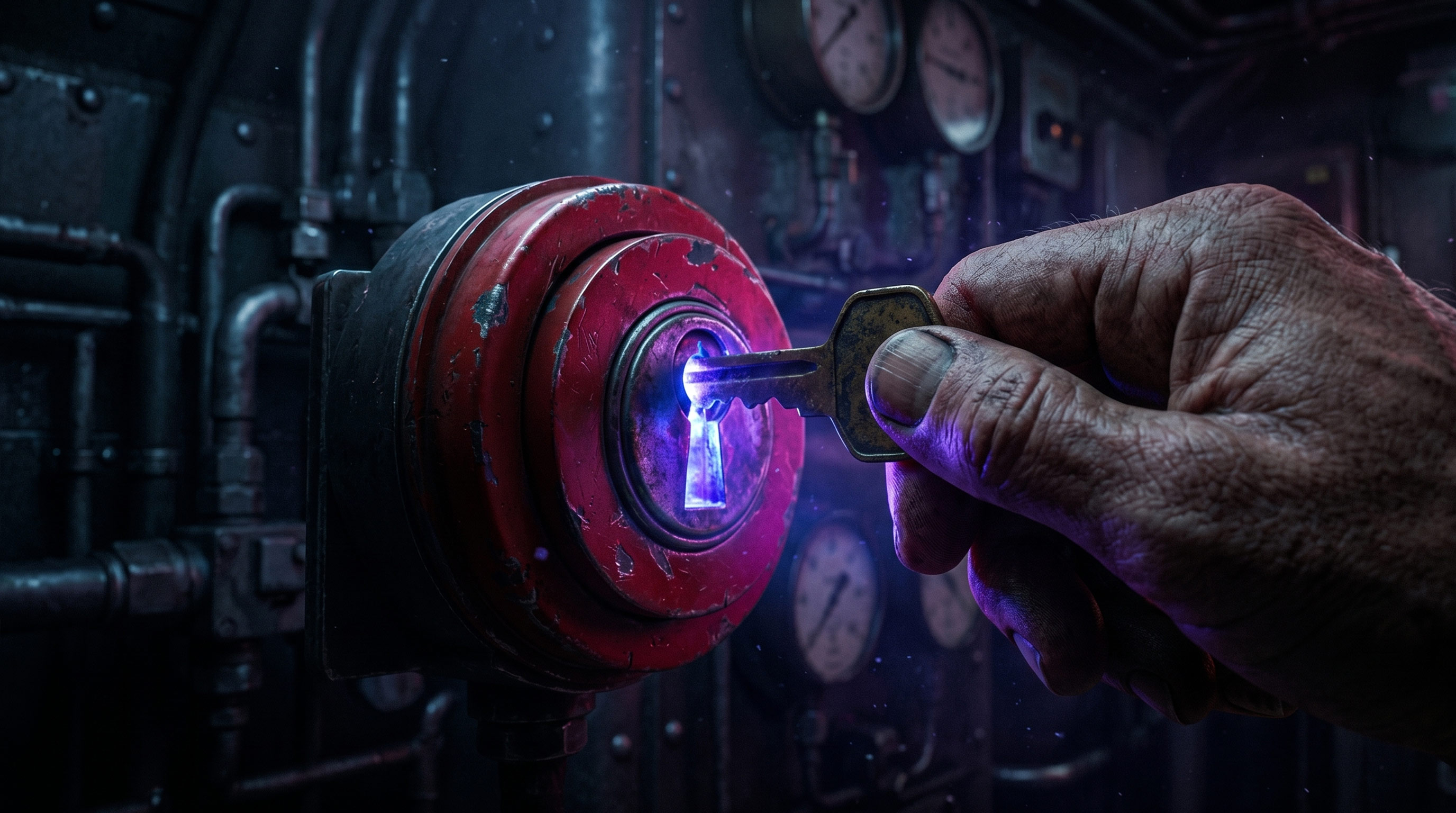
During the height of World War II, the isolated islands of the South Pacific experienced an invasion unlike anything in their history. For generations, the indigenous tribes had lived entirely cut off from modern civilization. Then, seemingly out of nowhere, massive metal birds descended from the clouds. Strangers in identical uniforms emerged, clearing the jungle to build airstrips, erecting towering metal poles, and speaking into strange black boxes. With these strangers came "cargo"—endless supplies of canned food, medicine, tools, and clothing that fell from the sky in wooden crates. To the islanders, these pale visitors did not craft the goods themselves; they simply performed specific rituals with their tools, and the heavens rewarded them.
Then, as abruptly as the war had started, it ended. The soldiers packed up their camps, the metal birds took off for the last time, and the skies grew quiet. The endless flow of magical cargo stopped. Left behind in the echoing silence of the jungle, the islanders faced a sudden void. They wanted the prosperity to return, and they logically concluded that to bring back the cargo, they needed to replicate the rituals that summoned it in the first place. This desperate hope birthed one of the most fascinating psychological phenomenons in human history: the Cargo Cults.
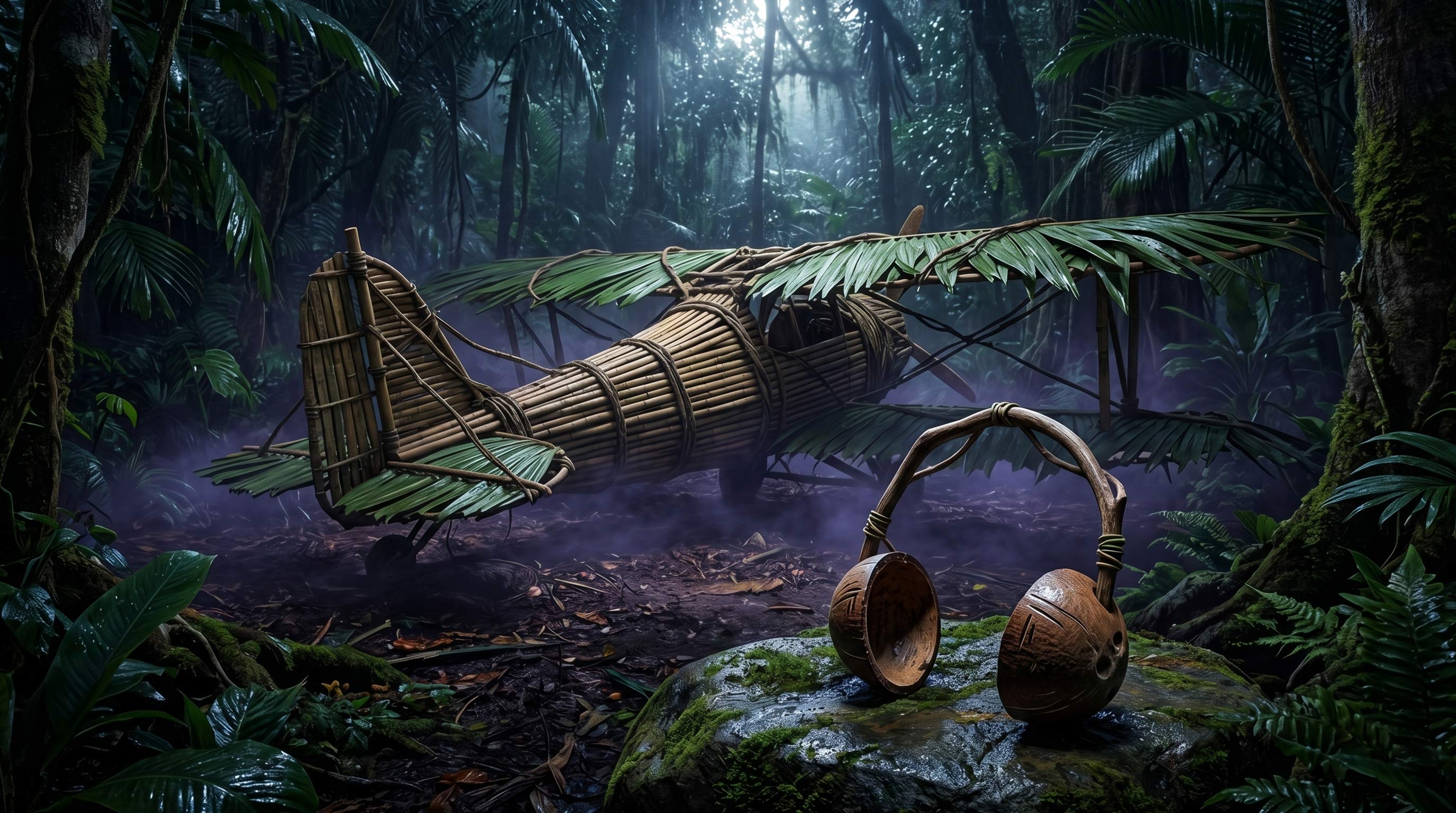
The islanders began to meticulously reconstruct the world the soldiers had left behind, using the only materials they had. They carved headphones out of coconuts and attached them to their ears. They built life-sized airplanes out of woven bamboo, palm leaves, and vines, placing them on makeshift runways cleared by hand. They carved wooden rifles and marched in perfect formation, painting "USA" on their bare chests. They sat in wooden control towers, speaking gibberish into bamboo microphones, waiting for the gods of metal and sky to answer. They performed the exact motions they had observed, believing with absolute certainty that the form would eventually recreate the function.
While it is easy to view this from the outside as a tragic or amusing misunderstanding of primitive societies, the Cargo Cults hold up a stark mirror to the human mind. The psychological mechanic at play—confusing correlation with causation—is a fundamental flaw in how we process reality. We are meaning-making machines. When faced with a complex universe we do not fully understand, our brains desperately seek patterns. Once a pattern is established, even a false one, it hardens into dogma. The rituals become sacred, and questioning them becomes heresy.
The true absurdity of the Cargo Cults is not that they happened in the Pacific jungles seventy years ago, but that this exact mechanism still dictates much of modern life. We constantly build our own metaphorical bamboo airplanes. We copy the morning routines of billionaires, hoping it brings us wealth. Businesses adopt the superficial aesthetics of successful tech companies without understanding the underlying innovation, expecting the same explosive growth. We go through the motions, wearing our own coconut headsets, performing daily rituals that have lost their original meaning, forever waiting for the sky to open up and deliver the cargo.