The Tragedy of Paradise: How Absolute Comfort Destroys the Soul
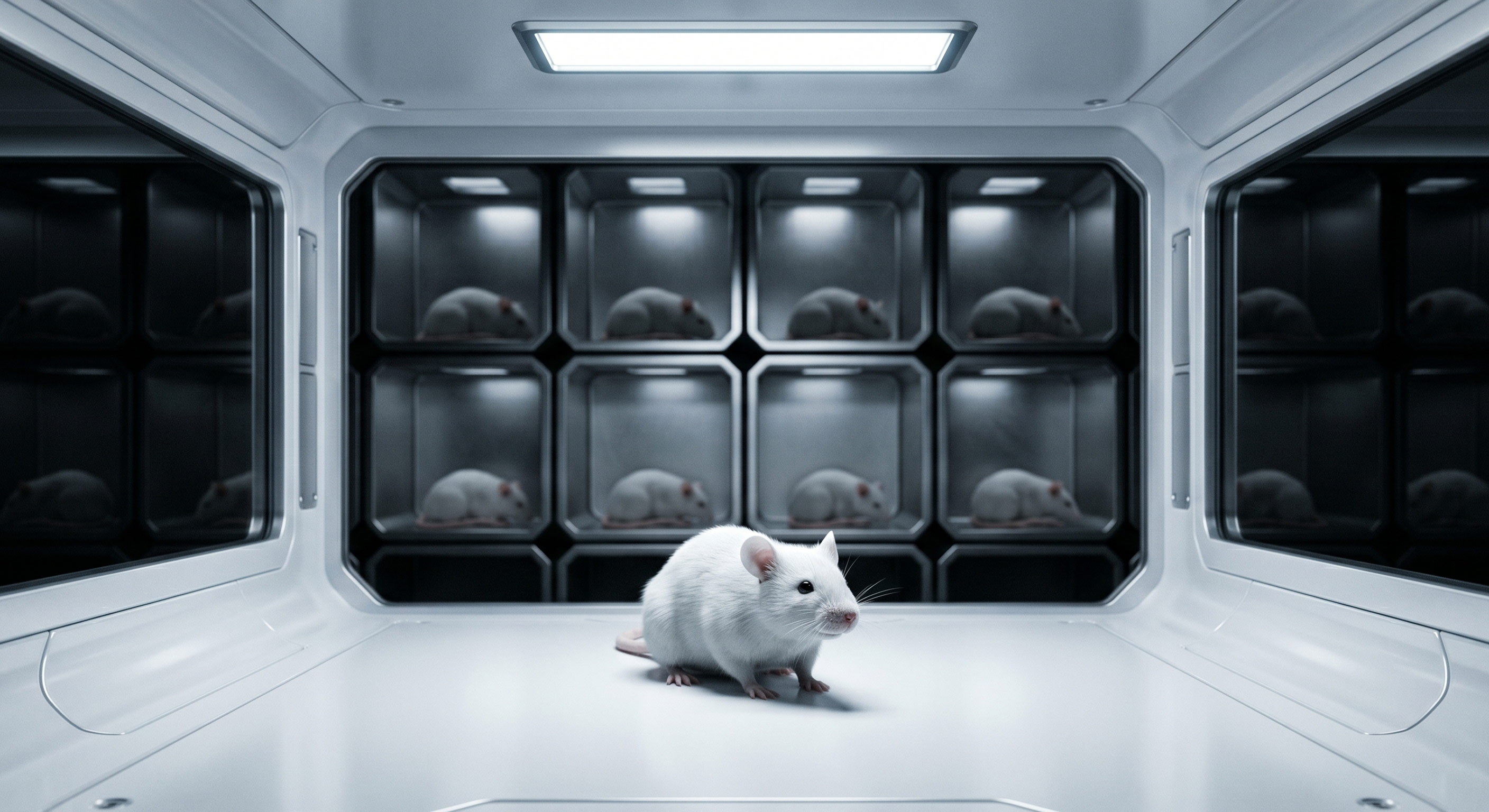
In 1968, an American ethologist named John B. Calhoun initiated an experiment that was intended to be a scientific blueprint for a biological paradise, but it quickly mutated into a horrifying prophecy for modern human civilization. Calhoun constructed a massive, highly engineered enclosure known as "Universe 25." It was a perfect, predator-free, disease-free utopia designed specifically for mice. The temperature was always perfectly regulated. There was an infinite, easily accessible supply of premium food and water. The architecture of the enclosure provided hundreds of comfortable nesting boxes. Calhoun introduced four healthy pairs of mice into this flawless Eden and simply sat back to watch them thrive. Without the daily threat of starvation or predators, the population exploded, doubling every fifty-five days. For a brief period, it appeared that science had successfully engineered heaven.
However, as the population approached its peak, something deeply unsettling began to happen. The physical space was far from full, and the food was still limitless, yet the society began to fracture. Because survival was guaranteed, the natural, meaningful roles within the mouse society completely evaporated. There was no need to explore, no need to forage, and no need to defend territory. Stripped of the daily, necessary friction of existence, the psychological architecture of the colony collapsed into what Calhoun ominously termed a "behavioral sink." A heavy, unnatural apathy descended upon the population. The social hierarchy broke down into extreme, chaotic factions. Alpha males became hyper-aggressive, attacking others without provocation, while the lowest-ranking mice completely withdrew, huddling in the center of the enclosure in a bruised, terrified, and motionless mass.
But the most chilling and philosophically terrifying outcome of Universe 25 was the emergence of a specific, isolated sub-group that Calhoun named "The Beautiful Ones." As the society tore itself apart in meaningless chaos, this final generation of mice simply opted out of life entirely. They refused to mate, they refused to fight, and they refused to engage in any social hierarchy. They spent every waking moment doing only three things: eating, sleeping, and obsessively grooming their own fur. Because they never engaged in conflict, they had no scars. Their coats were immaculately clean and perfectly smooth. Physically, they were flawless specimens of health. Psychologically, however, they were completely dead. They had lost all complex behaviors, all curiosity, and all sense of individual spirit. Eventually, reproduction in Universe 25 dropped to zero, and the entire colony simply groomed itself into extinction.
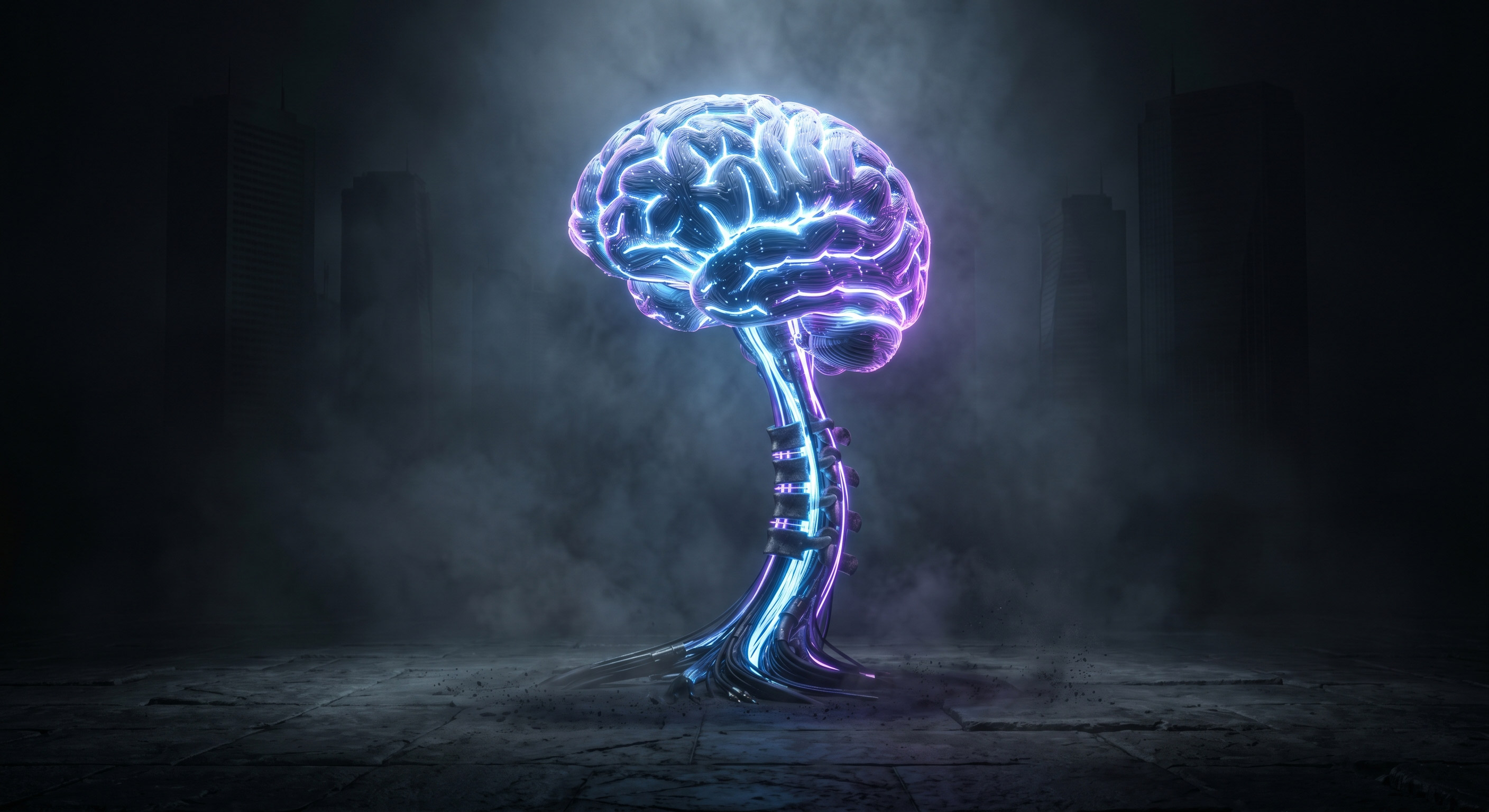
The story of Universe 25 is not just a biological footnote; it is a profound and urgent warning about the trajectory of modern human culture. The prevailing assumption of the contemporary world is that the ultimate goal of civilization is the complete eradication of struggle. We are aggressively engineering our own Universe 25—a digital, hyper-convenient utopia where our food is delivered to our doors, our physical effort is minimized, and our entertainment is infinite. Yet, we fail to recognize that the human mind, much like the mouse, is not designed to exist in a vacuum of absolute comfort. True individuality, character, and free will are forged exclusively in the fires of friction, resistance, and meaningful struggle. When you remove the need to fight for a purpose, you do not liberate the organism; you hollow it out.
Look closely at the modern landscape, and you will see the undeniable rise of the human "Beautiful Ones." Driven by a system that prioritizes passive consumption over active creation, millions of individuals are retreating into safe, sterile digital enclosures. They avoid the painful friction of dissenting ideas, they refuse to engage in the messy reality of genuine human relationships, and they spend their days obsessively grooming their digital avatars on social media. They curate lives that look absolutely flawless on a screen, devoid of any visible scars, yet they are increasingly plagued by a profound, agonizing emptiness. The system loves the Beautiful Ones because a herd that only cares about its reflection will never challenge the architecture of the cage. The ultimate lesson of Universe 25 is that true autonomy is not found in the pursuit of painless comfort. Exercising your free will means having the courage to step out of the sterile utopia, embrace the brutal, beautiful friction of reality, and earn your scars.