The Manufactured Rebellion
In the early 20th century, the architects of modern capitalism faced a profound limitation. They had mastered the industrial machinery required to mass-produce goods, but they were still selling products based on logic and necessity. If a person needed shoes, they bought shoes; if they didn't, they saved their money. This rational approach was deeply frustrating to corporations that required infinite growth. It was a man named Edward Bernays—the nephew of the famous psychoanalyst Sigmund Freud—who completely revolutionized the invisible architecture of society. Bernays realized that humans are not driven by rational thought, but by deep, unconscious emotional desires. He understood that if you could link a mass-produced product to a fundamental human emotion, you could bypass logic entirely and control the herd from the shadows. He did not call his method propaganda; he rebranded it as "Public Relations."
His most chilling and effective masterpiece occurred in 1929. At the time, the American Tobacco Company was furious that they were losing out on fifty percent of their potential market because society deemed it culturally unacceptable for women to smoke in public. They hired Bernays to break this taboo. Bernays consulted with psychoanalysts and concluded that cigarettes were subconsciously viewed as symbols of male power. To get women to smoke, he didn't need to convince them that the tobacco tasted good; he needed to convince them that smoking was an act of fierce, independent rebellion.
Bernays orchestrated a flawless psychological operation during the massive Easter Sunday Parade in New York City. He hired a group of young, elegant debutantes and instructed them to join the parade. At a pre-arranged signal, right in front of the gathered journalists and photographers he had secretly tipped off, the women dramatically pulled out Lucky Strike cigarettes and lit them. Bernays told the press that these women were not just smoking; they were lighting "Torches of Freedom." The imagery was instantly iconic. The next day, newspapers across the country plastered the photos on their front pages. Almost overnight, the social taboo was shattered. Women began smoking in public across the nation, genuinely believing they were participating in a feminist uprising, breaking the chains of male dominance. They felt powerful. They felt autonomous. They felt entirely free.
In reality, they had been flawlessly manipulated. Their profound desire for equality and liberation had been weaponized by a brilliant psychological architect to double the profit margins of a tobacco corporation. They were not lighting torches of freedom; they were willingly putting on the very chains of the system they thought they were fighting, and paying for the privilege to do so.
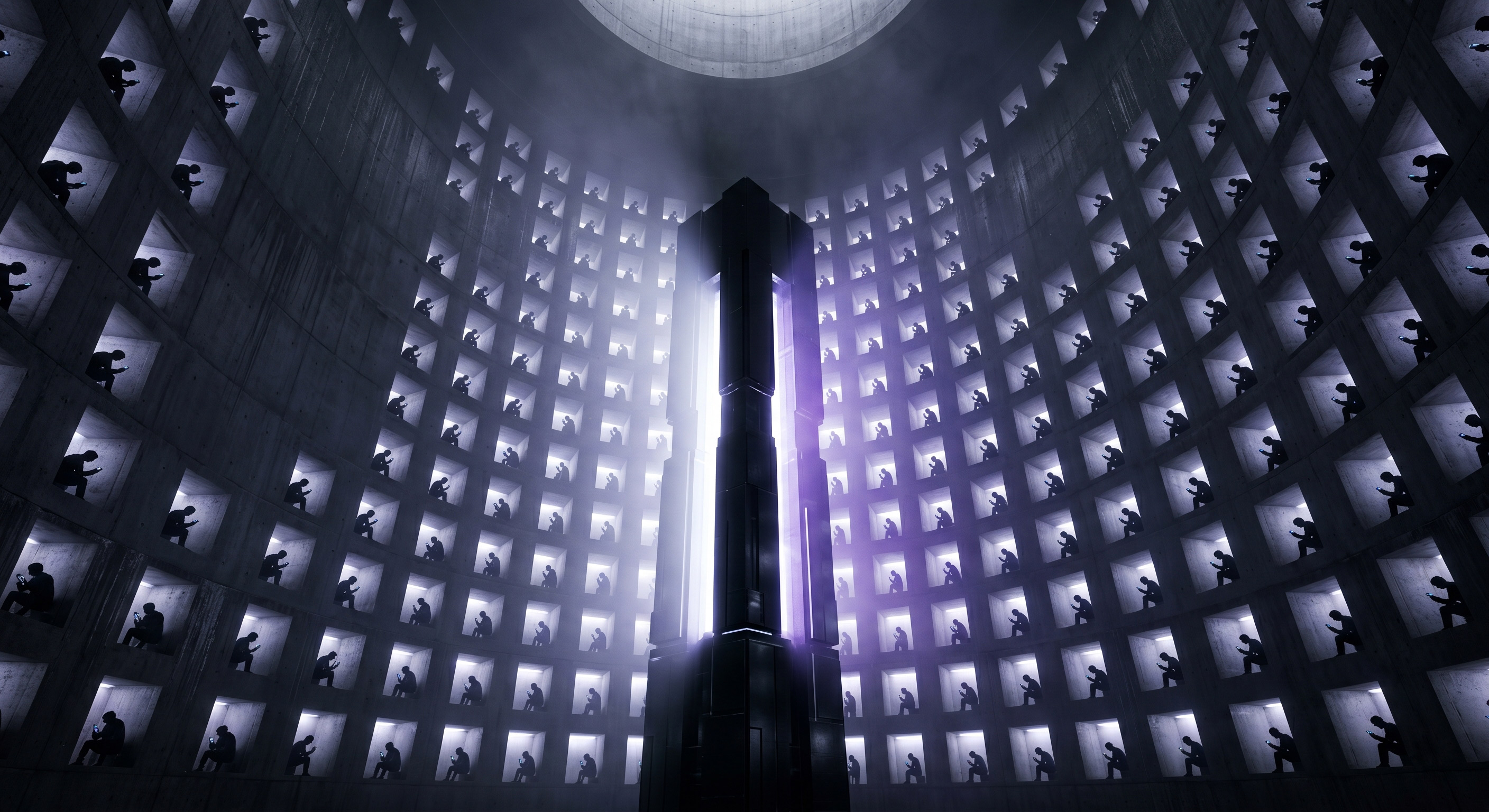
The story of Edward Bernays is the absolute foundation of the modern consumer reality. The system realized a terrifying truth in 1929: you do not need to force the herd into submission using violence or laws. The most effective way to control a population is to sell them the illusion of rebellion. Today, we exist in a hyper-commercialized world where every brand, every aesthetic, and every digital trend is marketed as a way to express our "unique individuality." We buy specific clothes, drive specific cars, and adopt specific online personas to prove that we are different from the crowd, completely blind to the fact that our "rebellion" was manufactured in a corporate boardroom and sold to millions of others. True free will does not exist on a store shelf or within a trending hashtag. The ultimate triumph of the modern system is that it has convinced the herd that true freedom is simply having the right to choose which corporate cage you want to sit inside.