The Architecture of the Invisible Prison
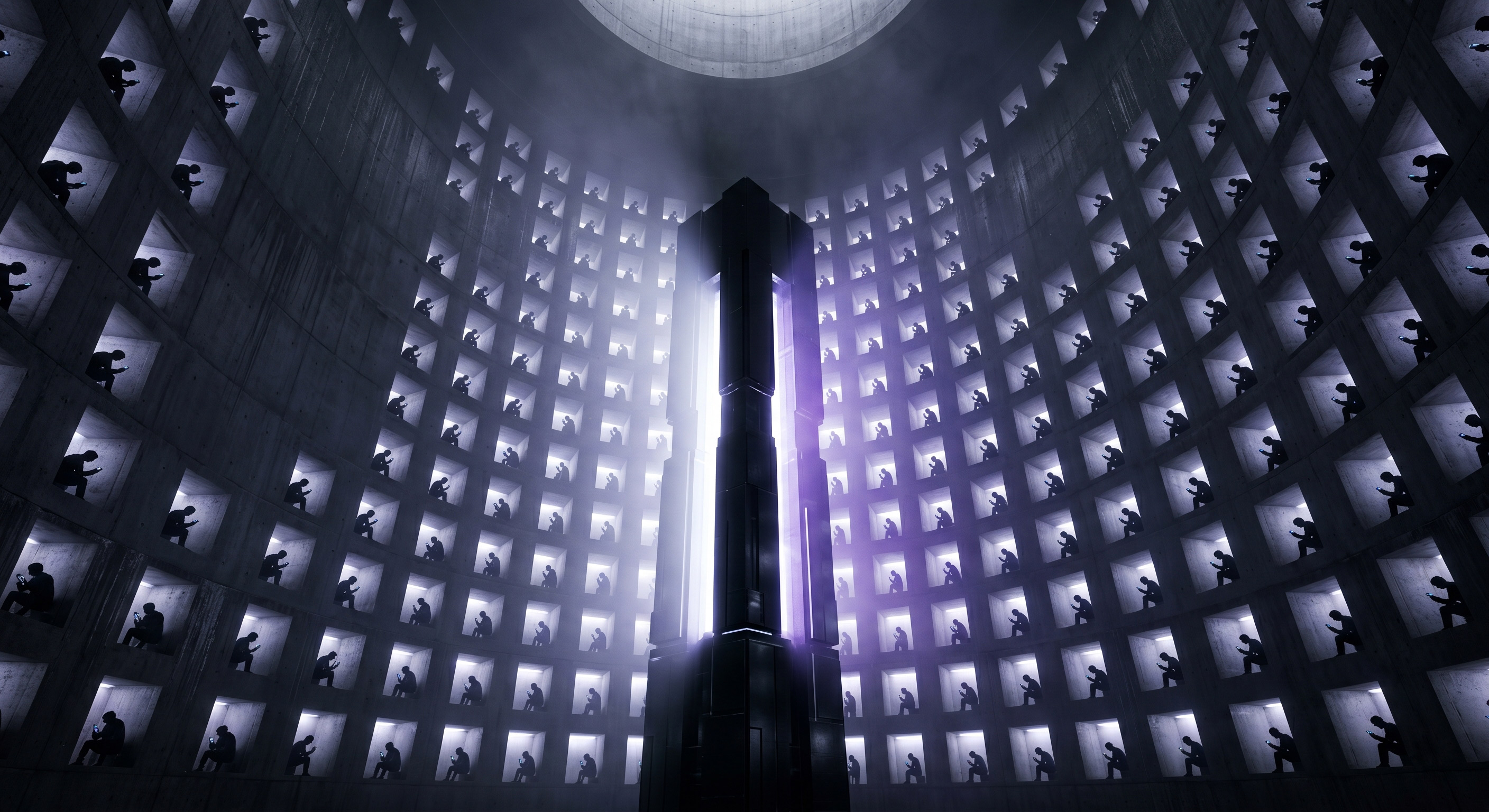
In the late 18th century, the English philosopher Jeremy Bentham designed what he believed to be the ultimate, most efficient architecture of control: a conceptual prison he called the Panopticon. The design was brilliantly simple and deeply terrifying. It consisted of a circular building with individual, backlit cells lining the outer wall. In the absolute center of the circle stood a single, towering guard station. The genius of the Panopticon was in its lighting. Bright lamps were directed outward from the central tower, blinding the prisoners to what was inside. The inmates could never see the guard, but they knew the guard could potentially see any of them at any given moment.
The psychological devastation of this design was absolute. Because a prisoner could never know for certain if they were being watched at any specific second, they were forced to assume they were being watched all the time. They had to behave as if the invisible eye was constantly upon them. Bentham realized that physical force was expensive and inefficient. If you create the persistent illusion of total surveillance, you do not need chains, and you do not even need a guard in the tower. The prisoners will eventually internalize the gaze of the authority. Out of pure paranoia, they will regulate their own behavior, suppress their own impulses, and become their own relentless wardens. The architecture of the building effectively destroys the need for physical oppression by turning the human mind into its own cage.
Centuries later, the French philosopher Michel Foucault looked at Bentham’s prison and made a horrifying realization: the Panopticon was not just a design for a prison; it was the exact blueprint for modern society. Today, we have willingly built the ultimate global Panopticon, entirely out of code, algorithms, and glowing screens. Social media platforms are the modern circular cells. We voluntarily step inside them, turn the cameras on ourselves, and backlight our own lives for the world to see. But the most terrifying shift in the modern era is that there is no government or dictator sitting in the central tower. The invisible watcher in the center is the Herd.
We live in a state of constant, paralyzing self-surveillance. We meticulously curate our words, our photos, and our digital avatars, terrified of the invisible judgment of the anonymous crowd. We suffer from a modern psychological sickness where we preemptively censor our own genuine thoughts, our dark humor, and our unique individual truths just in case the "guard" happens to be looking. The system no longer needs to violently oppress us to ensure conformity. The global herd polices itself through the fear of being canceled, shamed, or ostracized by the phantom crowd. The ultimate tragedy of the digital age is that we celebrate our connectivity and free speech, completely blind to the fact that we have simply become cooperative inmates, happily painting the walls of our own invisible cells. True free will cannot exist while you are constantly performing for the unseen eyes in the tower.