The Architecture of Endless Labor
In 1929, the architects of the Soviet Union looked at the traditional structure of human time and identified a deeply frustrating inefficiency: the weekend. Under the brutal ambitions of Stalin’s First Five-Year Plan, the idea that massive industrial factories sat quiet and empty for one or two days a week was considered an unacceptable waste of potential. To solve this, the state decided to completely hack the organic rhythm of human life. They abolished the traditional seven-day week entirely and replaced it with a radical, dystopian concept known as the Nepreryvka—the continuous work week.
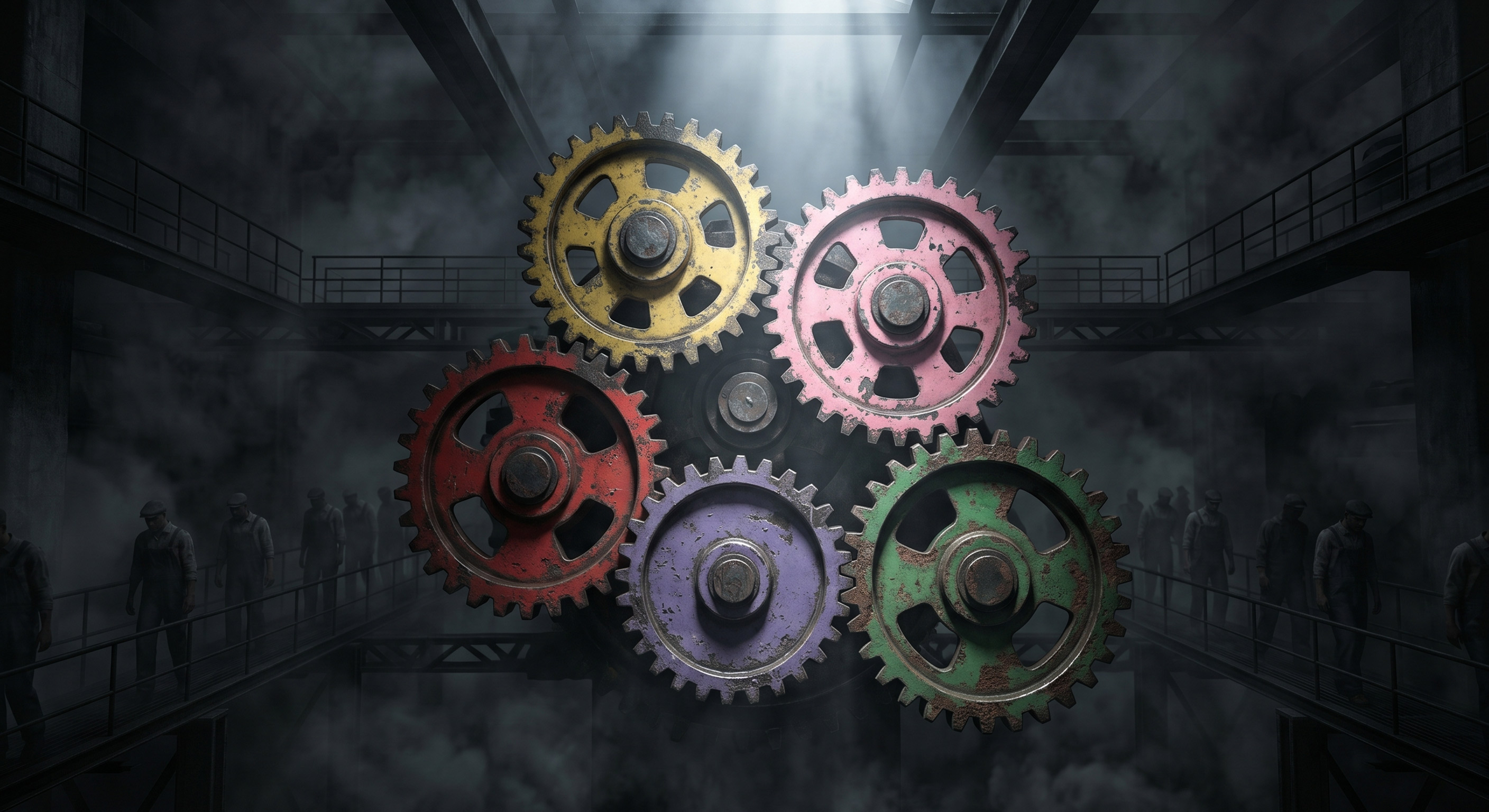
Under this new system, the week was reduced to five days, and traditional names like Monday or Sunday were erased. Instead, the days were color-coded: Yellow, Pink, Red, Purple, and Green. Every worker in the nation was assigned one of these colors. Your assigned color became your designated day of rest, meaning that on any given day, eighty percent of the workforce was at the factory, while twenty percent was resting. The machines never had to stop; the rhythm of industry became a single, unbroken, roaring engine. On paper, it was the ultimate triumph of mathematical efficiency over the chaotic traditions of human culture.
However, the psychological and social devastation was immediate and absolute. Because family members and friends were often assigned different colors, a husband might have his rest day on "Yellow" while his wife was assigned "Pink." Children were off on "Green" while their parents worked. The shared, synchronized rhythm of society was completely shattered. It became impossible to organize gatherings, celebrate holidays, or even share a simple meal with loved ones. The system had successfully atomized the population, isolating individuals from their communities and reducing them to solitary cogs that existed solely to serve the continuous motion of the state. The Nepreryvka alienated the human soul so profoundly that after eleven years of declining morale and broken families, the state was forced to abandon the experiment and return to the seven-day week.
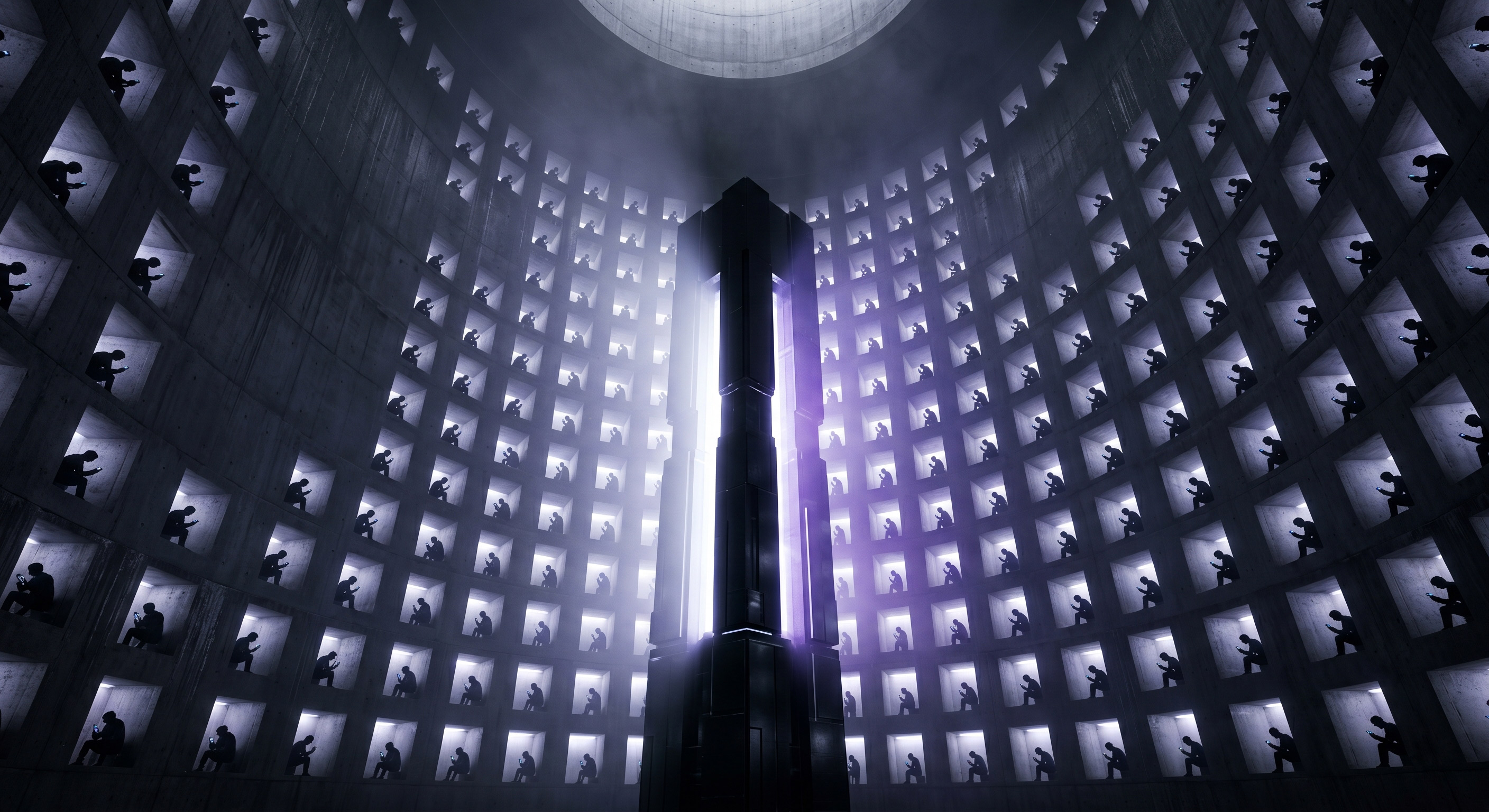
We look back at this extreme social engineering with a sense of historical horror, entirely blind to the dark irony of our modern reality. Today, the global capitalist system has achieved the exact same dystopia, but it did so without ever having to pass a single law or abolish the calendar. Through the creation of the 24/7 digital economy, smartphones, and the toxic worship of "hustle culture," we have voluntarily built our own invisible Nepreryvka. We carry our factories in our pockets, answering emails at midnight, working through weekends, and remaining permanently tethered to the infinite demands of the market. The system no longer needs to assign us colors to keep the machines running; it has simply convinced the modern herd that constant, unbroken productivity is a virtue rather than a symptom of enslavement. We have sacrificed our sacred, collective rest for the illusion of success, proving that the most effective way to trap a human being in an endless cycle of labor is to convince them that the cage is actually a ladder.